Why NF Membranes Are a Smart Middle-Ground Solution
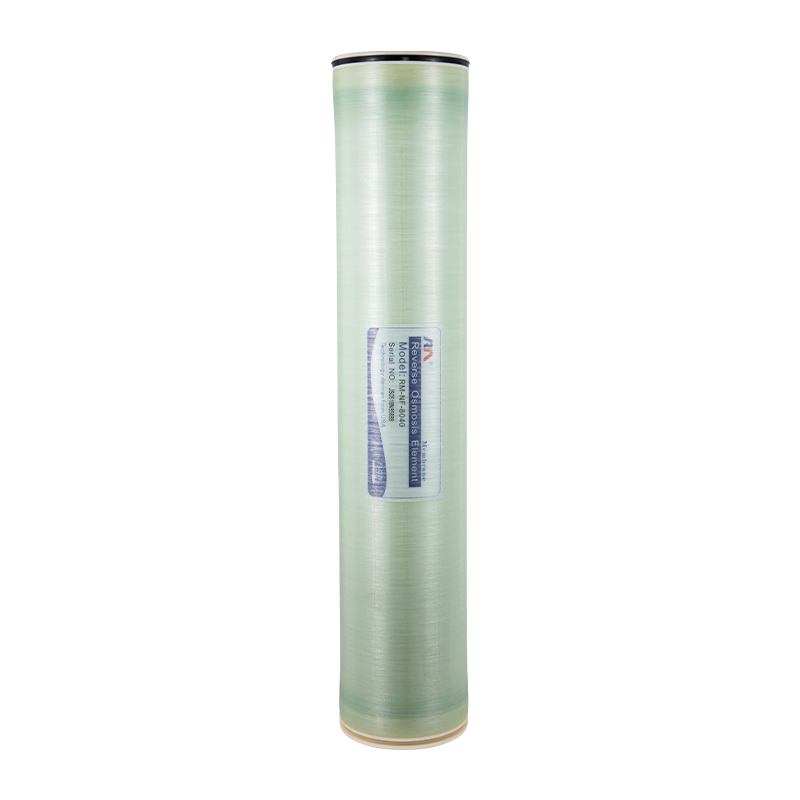
NF membranes offer a practical balance between separation performance and energy efficiency. They are often chosen when reverse osmosis is too aggressive and ultrafiltration is not selective enough.
By partially removing dissolved salts and effectively rejecting organic molecules, NF membrane systems help reduce operating costs while maintaining stable water quality.
Key Differences Between NF Membranes and Other Membranes
Understanding how nanofiltration membranes compare with other filtration technologies helps ensure proper system design and long-term reliability.
| Membrane Type |
Salt Removal |
Energy Demand |
| Ultrafiltration |
Very Low |
Low |
| NF Membranes |
Partial |
Moderate |
| Reverse Osmosis |
Very High |
High |
How to Select the Right NF Membrane
Choosing the correct NF membrane depends heavily on feed water quality, target contaminants, and system design parameters.
Selection Criteria to Focus On
- Divalent ion rejection rate
- Organic molecular weight cut-off (MWCO)
- Chemical and pH tolerance
- Operating pressure compatibility
- Industrial Uses Where NF Membranes Perform Best
NF membranes are widely used in industries that need selective separation rather than total purification. Their flexibility allows them to adapt to varying water qualities.
- Pharmaceutical intermediate purification
- Electroplating wastewater treatment
- Sugar and dairy process water
- Surface water treatment plants
Operating and Cleaning NF Membranes Effectively
Routine monitoring of pressure drop and permeate flow is essential for NF membrane systems. Early detection of fouling allows timely cleaning and prevents irreversible damage.
Chemical cleaning using alkaline or acidic solutions should be carried out based on the fouling type, ensuring membrane integrity and stable long-term performance.



 English
 عربى
عربى