

 English
 عربى
عربى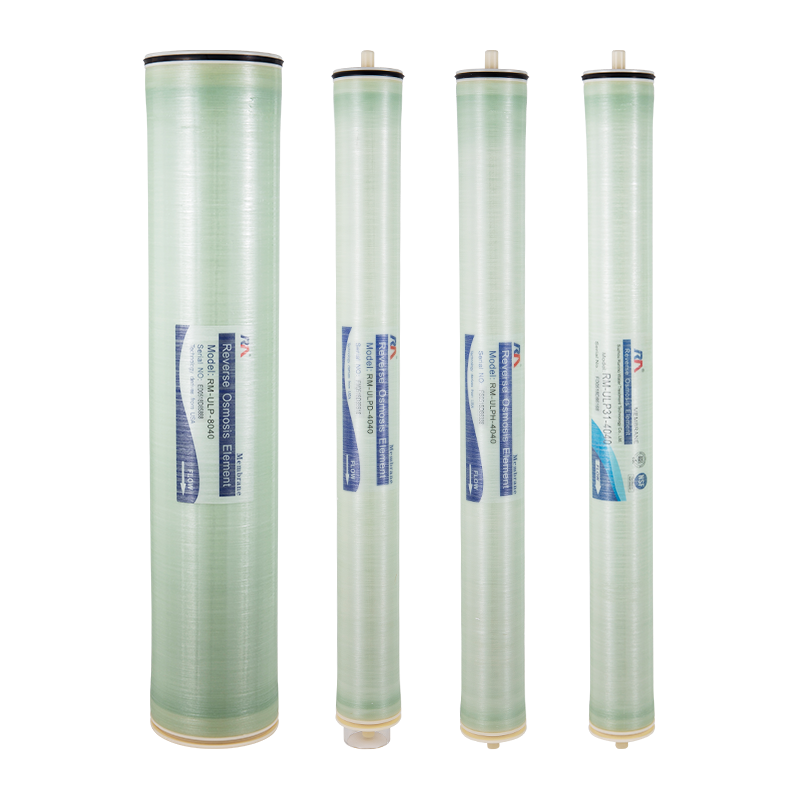
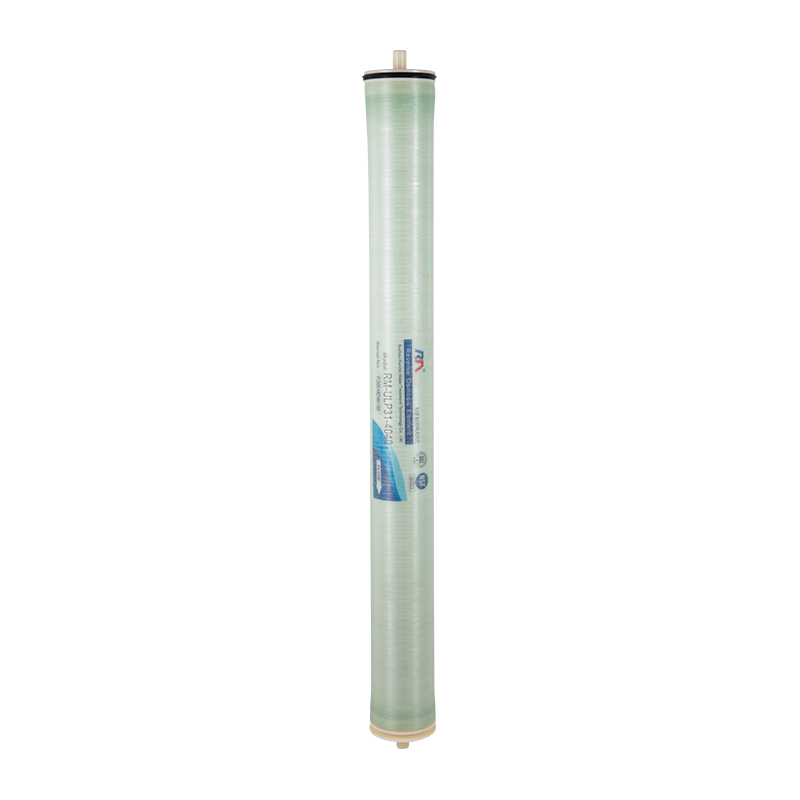
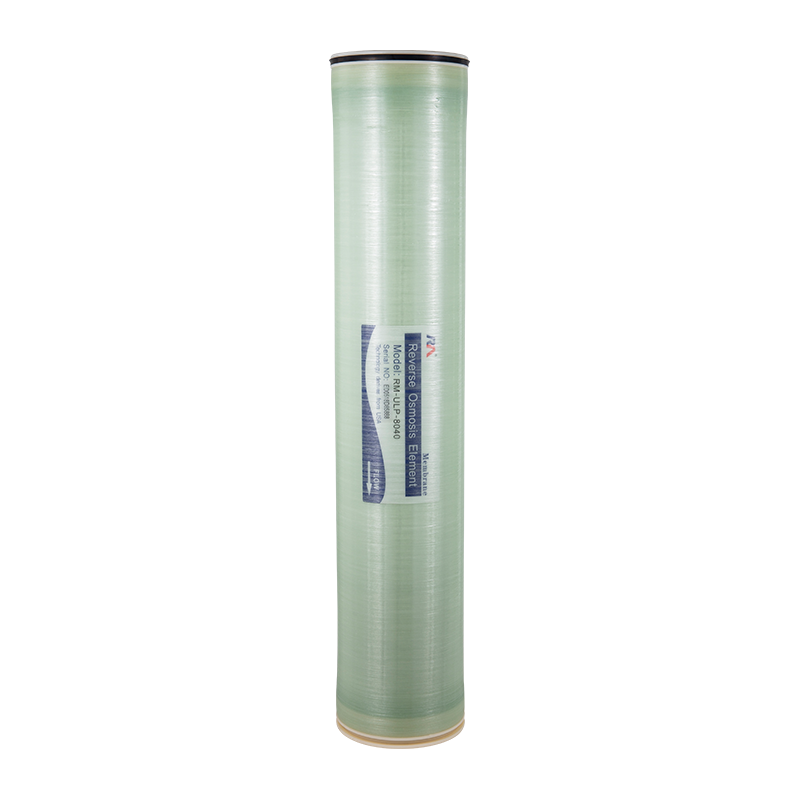
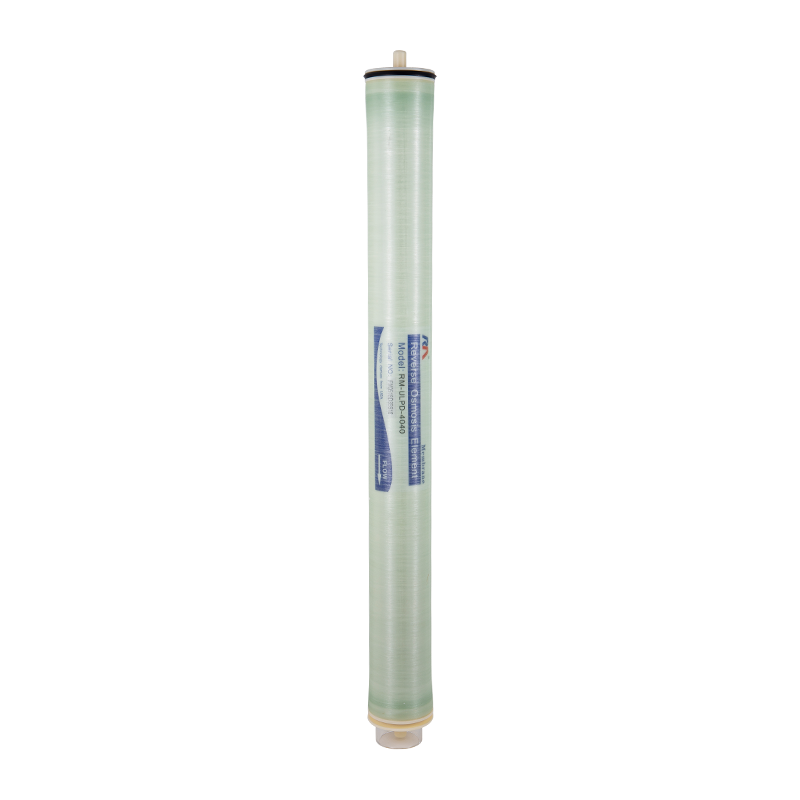
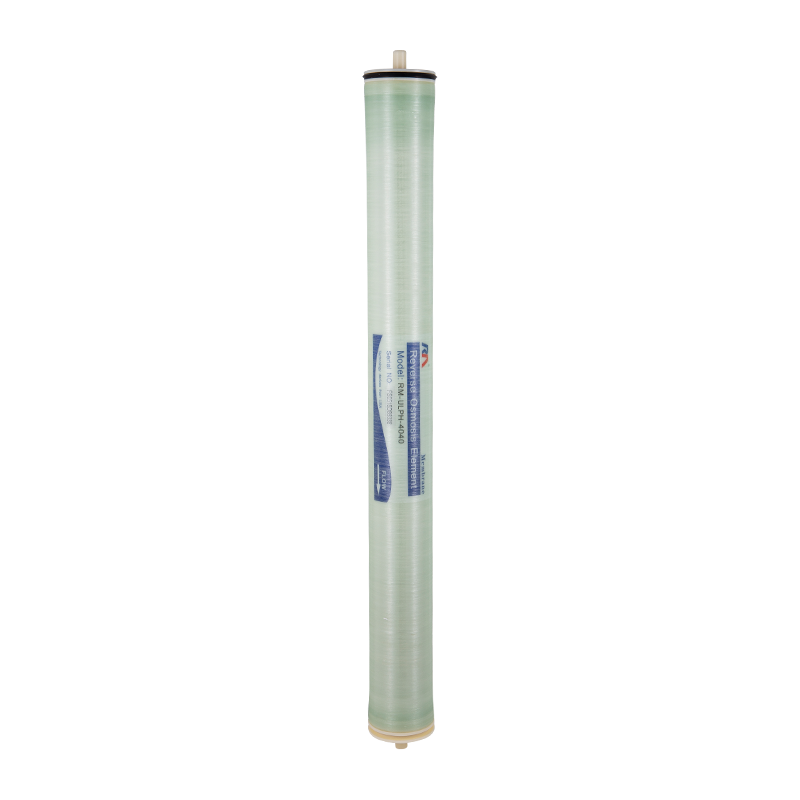
ULP(Ultra Low Pressure) Membranes
DownloadBrief Introduction
The ULP/XULP series of membrane elements (TFC - Thin Film Composite) are made of Polyamide composite membrane materials, which can achieve the desired permeate water and high desalination rate under ultra-low/extreme-low pressure operation conditions. The operating pressure is 2/3 of the conventional composite membrane pressure, and the desalination rate can reach 99.3%. It can improve economic benefits, including reducing the investment cost of related pumps, pipelines, containers, and other equipment, as well as the operation cost of the whole reverse osmosis system.
ULP/XULP series of membrane elements is suitable for desalination treatment of surface water, groundwater, tap water, and municipal water with salt content less than 2000 ppm. It is mainly used in various fields of industry, such as pure water, boiler recharge water, food processing, and pharmaceutical manufacturing.
Scope of Application
It is mainly used in various fields of industry, such as pure water, boiler recharge water, food processing and pharmaceutical manufacturing.
- ULP/XULP series of membrane elements performance
| Model | Membrane ft2 (m2) | Average Permeate GPD(m3/d) | Stable Rejection % | Min. Rejection% |
| RM-XULP-4021 | 42(3.9) | 950(3.6) | 99.0 | 97.5 |
| RM-XULP-4040 | 85(7.9) | 2000(7.5) | 99.0 | 97.5 |
| RM-ULP-2521 | 16(1.5) | 300(1.13) | 97.5 | 97.0 |
| RM-ULP-2540 | 33(3.0) | 750(2.83) | 99.0 | 97.0 |
| RM-ULP-4021 | 42(3.9) | 950(3.6) | 99.0 | 98.0 |
| RM-ULPD-4040 | 85(7.9) | 2300(8.7) | 98.5 | 98.0 |
| RM-ULPH-4040 | 85(7.9) | 2000(7.6) | 99.0 | 98.5 |
| RM-ULP31-4040 | 89(8.3) | 1900(7.2) | 99.5 | 99.0 |
| RM-ULP-8040 | 400(37) | 10500(39.5) | 99.0 | 98.5 |
- ULP/XULP series of membrane elements Testing Conditions
| Testing Pressure | 150 psi (1.03MPa)/100 psi (0.69MPa) |
| Temperature of Testing Solution | 25 ℃ |
| Concentration of Testing Solution (NaCl) | 1500ppm |
| pH Value of Testing Solution | 7.5 |
| Recovery Rate of Single Element | 15%(8040、4040、2540);8% (4021、2521) |
- ULP/XULP series of membrane elements Operation Limits & Conditions
| Max. Working Pressure | 600psi(4.14MPa) | Max. Feed Water SDI 15 | 5 |
| Max. Feed Water Flow | 75gpm(17 m 3 /h)For 8040 16gpm(3.6 m 3 /h)For 4040、4021 6.0gpm(1.4 m 3/h)For 2521、2540 |
Max. Feed Water COD | 10ppm |
| Max. Feed Water BOD | 5ppm | ||
| Max. Feed Water TOC | 10ppm | ||
| Max. Feed Water Temperature | 45℃ | Residual Chlorine Concentration of Feed Water |
< 0.1ppm |
| Max. Feed Water TDS | 2000ppm | pH Range of Feed Water During Continuous Operation |
2 ~ 12 |
| Max. Feed Water Hardness | 60ppm | Max. Pressure Drop of Single Element | 15psi(0.1MPa) For8040、4040、2540 10psi(0.07MPa) For2521、4021 |
| Max.Turbidity NTU | 1 |
CONTACT FORM
Related Products

Company
Suzhou Runmo Water Treatment Technology Co., Ltd.
Run membrane water treatment technology co., ltd. is a national technology enterprise integrating r&d, manufacturing and sales of reverse osmosis membrane, ultrafiltration membrane and polymer membrane technology, with independent intellectual property rights and world leading membrane material manufacturing process, providing efficient and reliable membrane products and solutions for global water treatment industry.
As ULP Membrane Manufactuers in China, Ultra Low Pressure Membrane Suppliers, We focus on membrane technology innovation, with a perfect independent R & D system, automated production lines, annual production capacity of more than 800,000 membrane products, a total of more than 40 patents. As ULP Membrane Factory, From water quality testing, membrane product customisation, to system design, project delivery, to after-sales operation and maintenance, Runmo provides you with the whole process, a full range of professional services to ensure the efficient and stable operation of the water treatment system, to help you easily cope with a variety of complex water quality challenges. We supply Wholesale ULP Membrane, for the world's 60 + countries continue to provide quality products and technical support.
As ULP Membrane Manufactuers in China, Ultra Low Pressure Membrane Suppliers, We focus on membrane technology innovation, with a perfect independent R & D system, automated production lines, annual production capacity of more than 800,000 membrane products, a total of more than 40 patents. As ULP Membrane Factory, From water quality testing, membrane product customisation, to system design, project delivery, to after-sales operation and maintenance, Runmo provides you with the whole process, a full range of professional services to ensure the efficient and stable operation of the water treatment system, to help you easily cope with a variety of complex water quality challenges. We supply Wholesale ULP Membrane, for the world's 60 + countries continue to provide quality products and technical support.
Manufacturing Strength
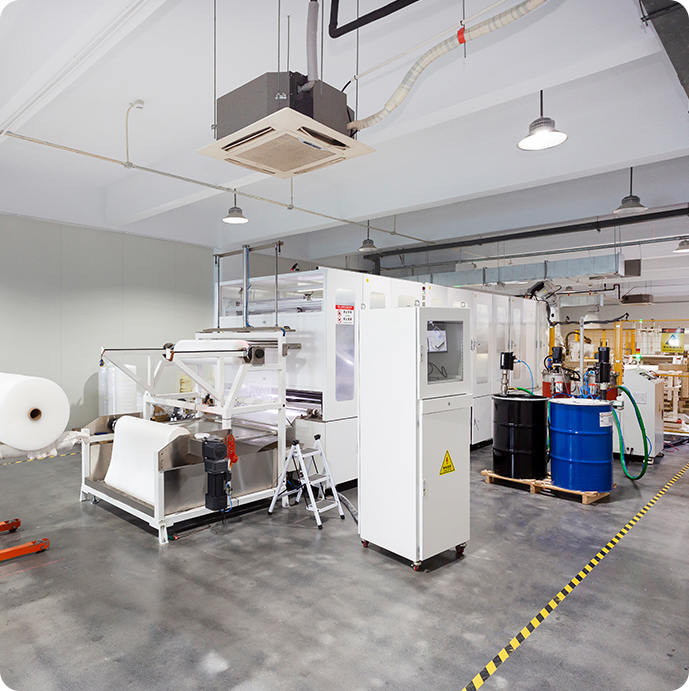
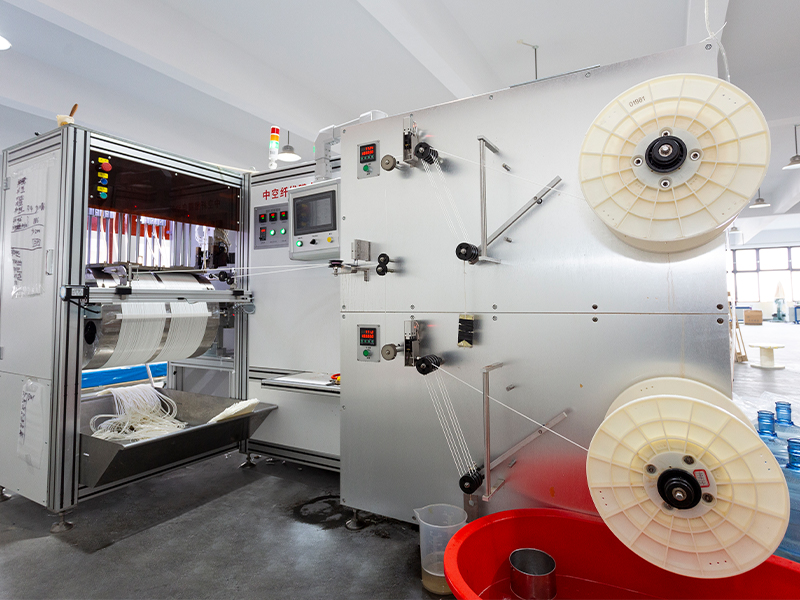
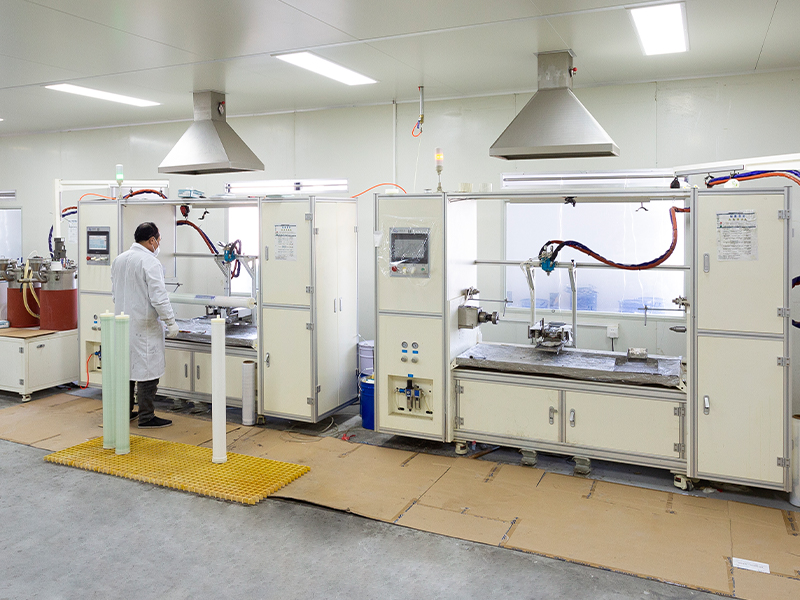
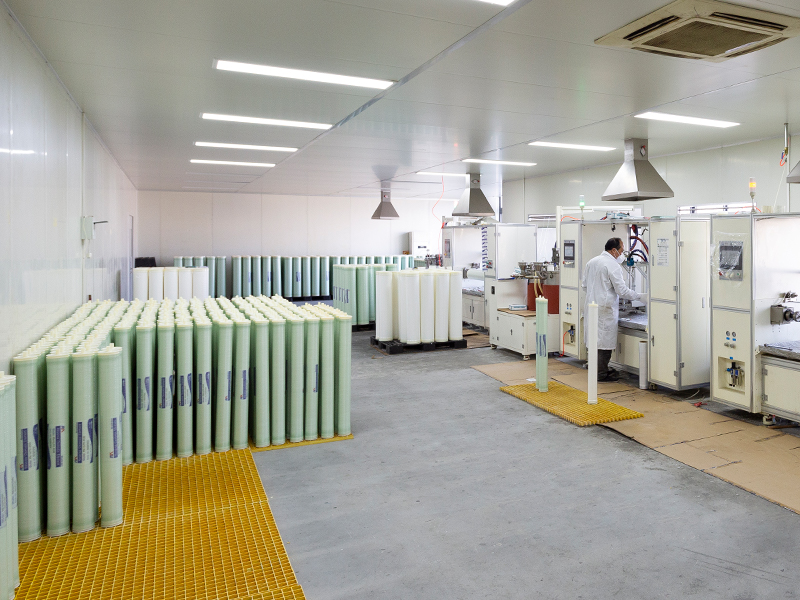
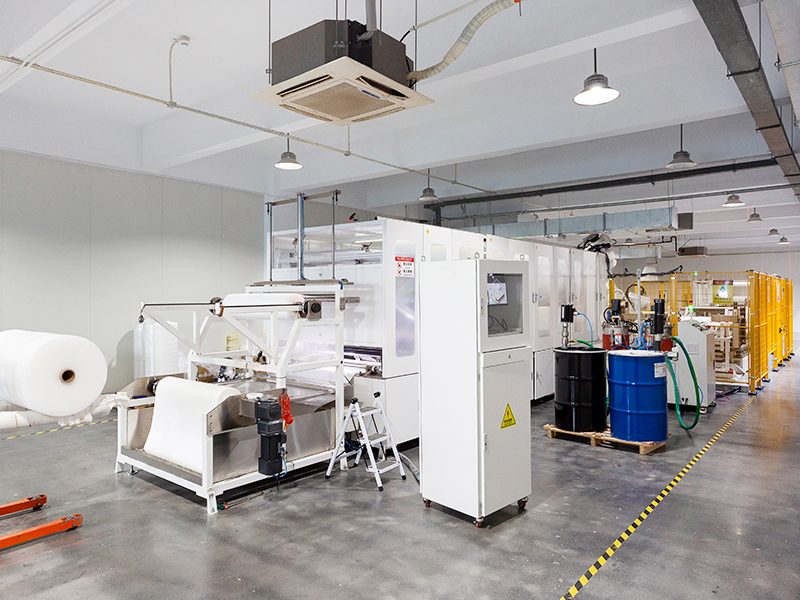
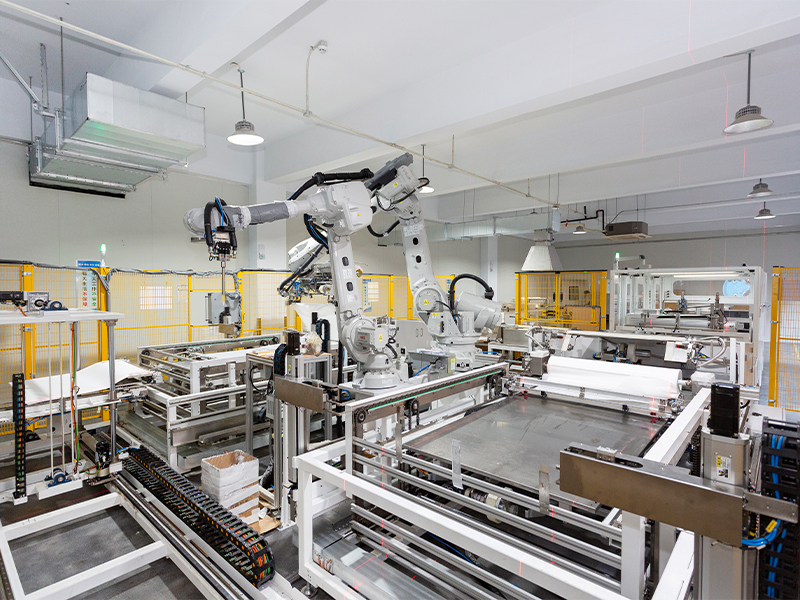
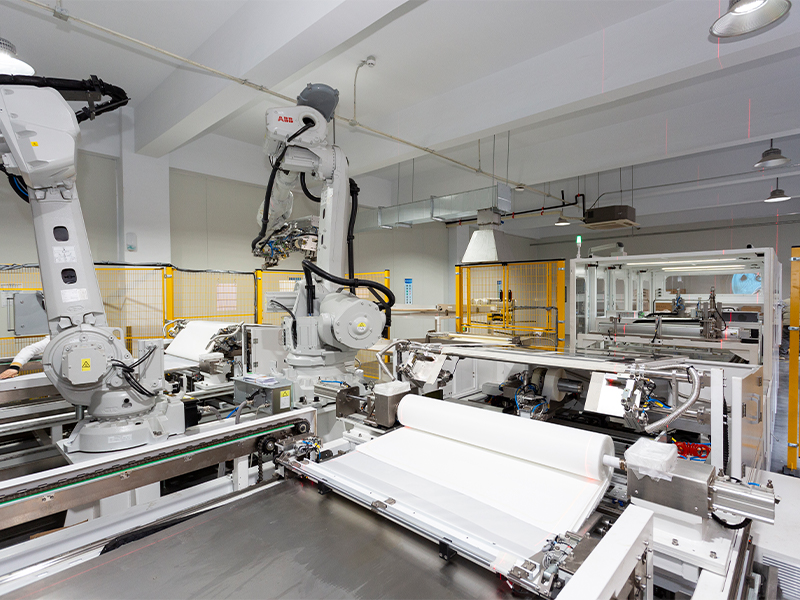
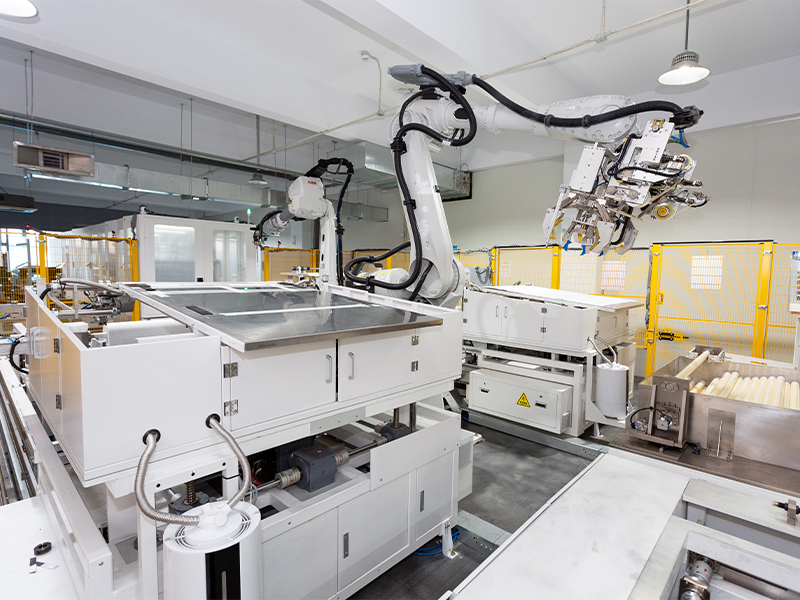
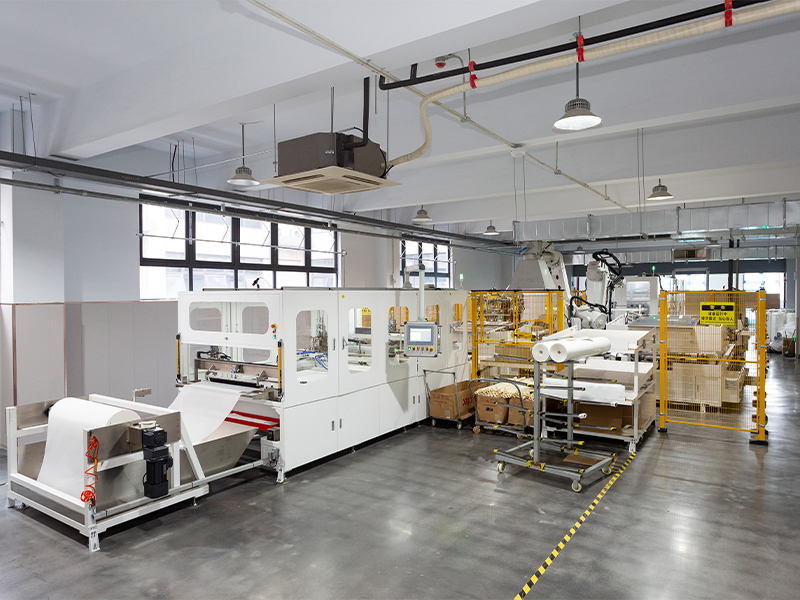
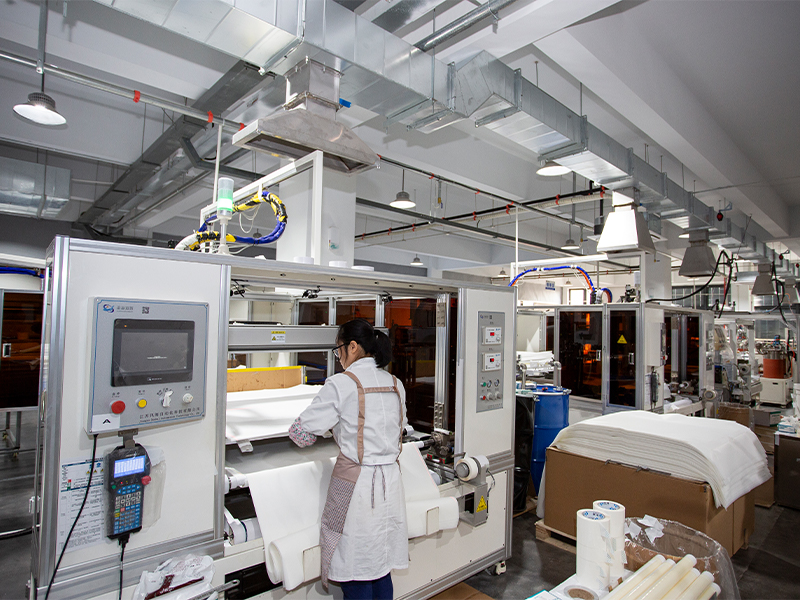
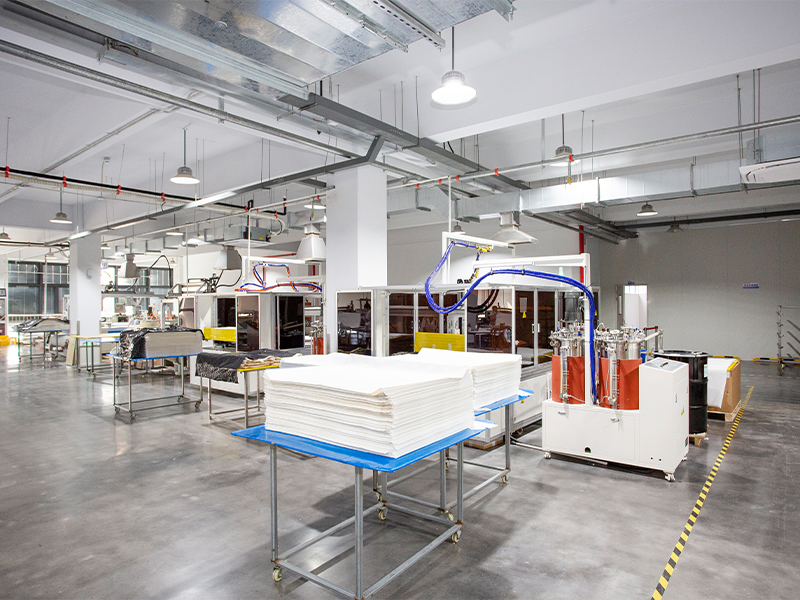
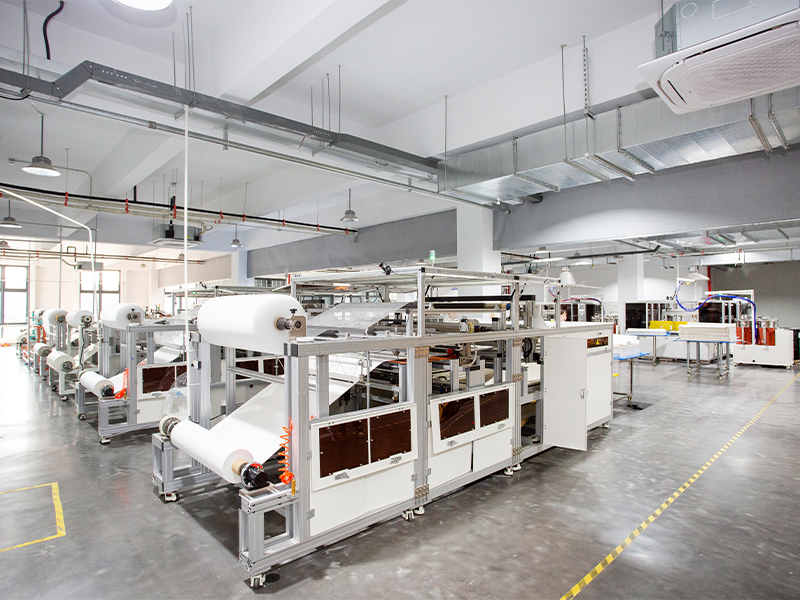
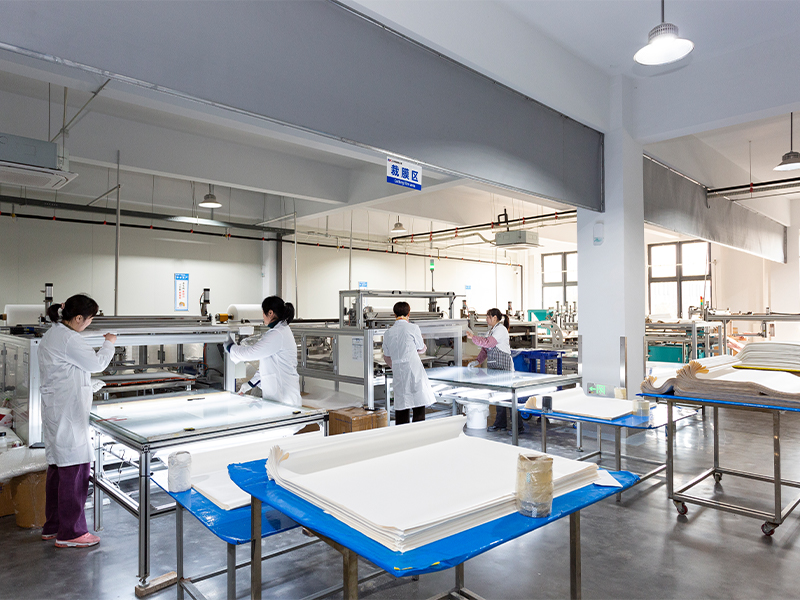
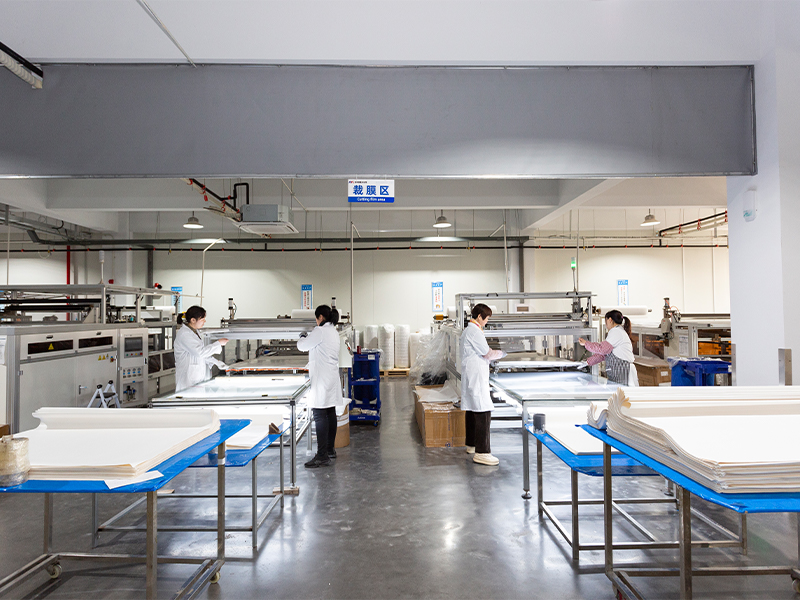
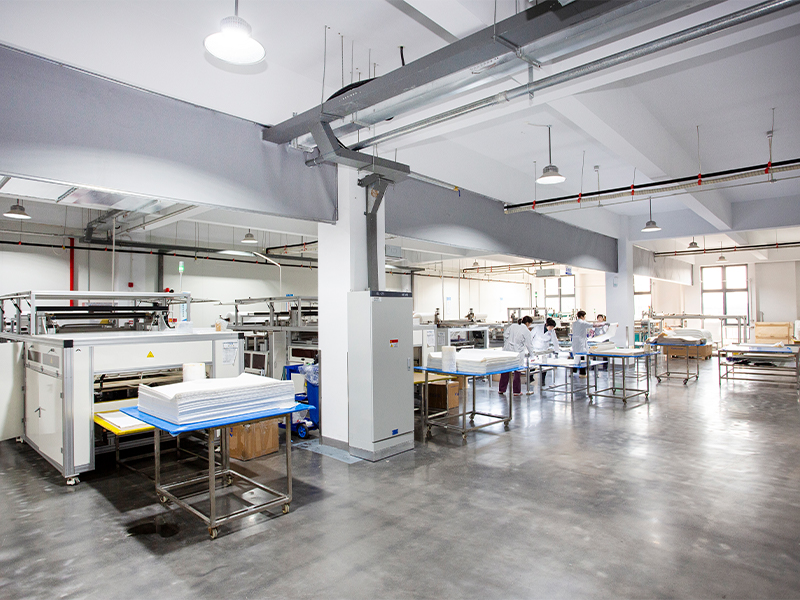
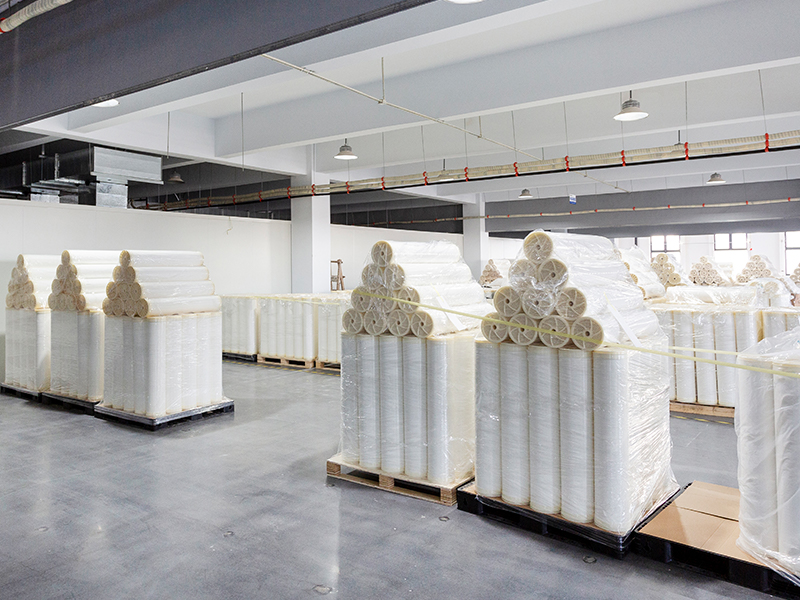
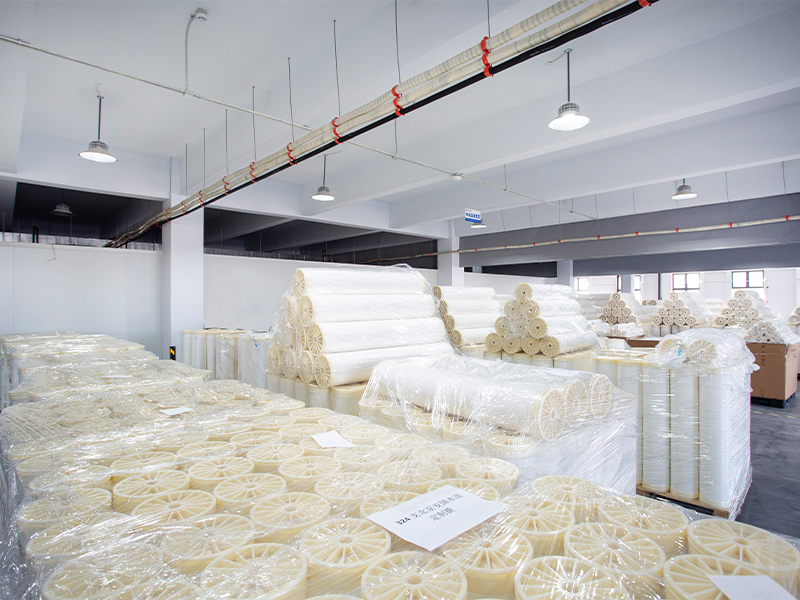
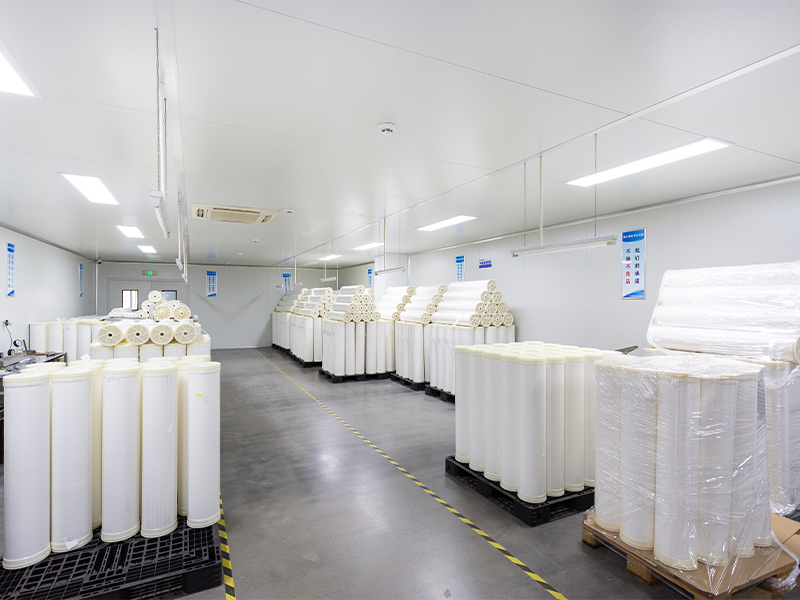
As Ultra Low Pressure Membrane Suppliers in China, We have advanced and efficient fully automated film rolling lines and dozens of automated film production lines, guaranteeing all the needs from small batch customisation to large-scale delivery. With an annual production capacity of up to 800,000 pieces of industrial film, Runmo strictly implements the whole process of quality inspection to ensure the stability and reliability of each product.
News
-
What Are PAN UF Membranes and Why They Stand Out PAN UF membranes are ultrafiltration membranes made from polyacrylonitrile, a polymer valued for its strength, chemical resistance,...
Read More -
What Is a Nano Filtration Membrane and How Does It Work A nano filtration membrane is a semi-permeable barrier engineered with pore sizes in the nanometer range, typically between ...
Read More -
What Seawater RO Membranes Do and Why They're Different From Brackish Water Membranes Seawater RO membranes are specialized filtration elements used in reverse osmosis systems to r...
Read More -
What Are UF Membranes and How They Filter Water UF Membranes, short for ultrafiltration membranes, are filtration barriers with extremely small pores, typically ranging from 0.01 t...
Read More -
What Is a Nano Filtration Membrane? A nano filtration membrane is a semi-permeable pressure-driven separation membrane that occupies the performance space between ultrafiltration (...
Read More
Industry knowledge
What gases or chemicals can Suzhou Runmo Water Treatment Technology Co., Ltd.'s ULP Membrane effectively block?
In the realm of water treatment, the efficiency and selectivity of membrane technology play pivotal roles. Suzhou Runmo Water Treatment Technology Co., Ltd. has emerged as a frontrunner in this domain, offering a range of advanced membrane solutions. Among its product portfolio, the ULP (Ultra Low Pressure) Membrane has garnered significant attention for its remarkable capabilities in filtering out various contaminants. This article delves deep into the gases and chemicals that the Ultra Low Pressure Membrane from Suzhou Runmo can effectively block, highlighting its importance in ensuring high - quality water treatment.
Suzhou Runmo Water Treatment Technology Co., Ltd. - An Overview
Suzhou Runmo Water Treatment Technology Co., Ltd. is a national - level technology enterprise that has carved a niche for itself in the global water treatment industry. The company specializes in the research and development, manufacturing, and sales of reverse osmosis membranes, ultrafiltration membranes, and polymer membrane technologies. Boasting independent intellectual property rights and a world - leading membrane material manufacturing process, Runmo is committed to providing efficient and reliable membrane products and comprehensive solutions.
With a perfect independent R & D system and automated production lines, Runmo has an annual production capacity of over 800,000 membrane products. The company's innovation prowess is further evidenced by its possession of more than 40 patents. From conducting meticulous water quality testing, customizing membrane products to meet specific client needs, designing water treatment systems, delivering projects, to providing after - sales operation and maintenance services, Runmo offers a one - stop, full - spectrum service. This holistic approach ensures the efficient and stable operation of water treatment systems, enabling clients to tackle diverse and complex water quality challenges with ease. The company's products, including the ULP Membrane, are exported to over 60 countries worldwide, a testament to its global reputation for quality and reliability.
Understanding the ULP Membrane
The Ultra Low Pressure Membrane from Suzhou Runmo is a type of Thin Film Composite (TFC) membrane made of Polyamide composite membrane materials. One of its most striking features is its ability to function under ultra - low/extreme - low pressure operation conditions. While achieving the desired permeate water flow, it also maintains a high desalination rate of up to 99.3%. In fact, its operating pressure is merely 2/3 of that of conventional composite membranes. This not only leads to significant energy savings but also reduces the investment costs associated with pumps, pipelines, containers, and other related equipment, as well as the overall operation cost of the reverse osmosis system.
The ULP Membrane is well - suited for the desalination treatment of various water sources such as surface water, groundwater, tap water, and municipal water, provided that the salt content is less than 2000 ppm. It finds extensive applications in multiple industrial fields, including the production of pure water, boiler recharge water, food processing, and pharmaceutical manufacturing.
Gases and Chemicals Blocked by the ULP Membrane
Inorganic Salts
Sodium Chloride (NaCl): As one of the most common salts in water sources, especially in brackish water, sodium chloride can cause issues such as corrosion in industrial equipment and an unpleasant taste in drinking water. The Ultra Low Pressure Membrane, with its high desalination rate, can effectively block sodium chloride ions. The Polyamide composite structure of the membrane has a selective permeability that allows water molecules to pass through while rejecting the larger sodium and chloride ions. This is achieved through a combination of size exclusion and charge - based repulsion mechanisms. The pores in the membrane are sized in such a way that the hydrated sodium and chloride ions, which have relatively large effective diameters, are unable to penetrate the membrane, thus ensuring that the permeate water has a significantly reduced sodium chloride content.
Calcium and Magnesium Salts: Calcium carbonate (CaCO₃), calcium sulfate (CaSO₄), magnesium carbonate (MgCO₃), and magnesium sulfate (MgSO₄) are common scale - forming salts in water. When water containing these salts is heated, for example, in a boiler, the salts can precipitate and form scale on the inner surfaces of the pipes and heat - exchange equipment. This scale reduces the efficiency of heat transfer and can even lead to equipment failure over time. The ULP Membrane is highly effective in rejecting these calcium and magnesium ions. The charge - selective nature of the membrane repels the positively charged calcium and magnesium ions, preventing them from passing through, and thus helping to keep the treated water free from scale - forming substances.
Heavy Metal Ions
Mercury (Hg²⁺): Even at extremely low concentrations, mercury in water is highly toxic. It can accumulate in the food chain, posing a serious threat to human health, especially to the nervous system. The Ultra Low Pressure Membrane has the ability to block mercury ions. The membrane's surface chemistry, combined with its pore structure, traps mercury ions. The negatively charged functional groups on the membrane surface attract the positively charged mercury ions through electrostatic interactions. Once attracted, the ions are retained on the membrane surface and do not pass through into the permeate water, ensuring that the treated water meets the strict safety standards for mercury content.
Lead (Pb²⁺): Lead is another highly toxic heavy metal that can cause cognitive and behavioral problems, especially in children. The ULP Membrane can effectively remove lead ions from water. Similar to mercury, the membrane's charge - based and size - exclusion mechanisms work in tandem. The small - sized pores of the membrane prevent the passage of lead ions, which are relatively large in their hydrated form. Additionally, the electrostatic forces between the membrane surface and the lead ions help in their adsorption and retention on the membrane, resulting in lead - free permeate water.
Some Organic Compounds
Total Organic Carbon (TOC): TOC is a measure of the total amount of carbon in organic compounds present in water. High levels of TOC can indicate the presence of a variety of organic contaminants, such as humic acids, fulvic acids, and industrial organic pollutants. These organic compounds can cause issues like fouling of membranes, interference with disinfection processes, and the formation of harmful disinfection by - products. The Ultra Low Pressure Membrane can reduce the TOC content in water. While it may not be as effective in removing very small, non - polar organic molecules as some specialized organic - removing membranes, it can still reject a significant portion of larger organic compounds. The hydrophobic nature of some parts of the Polyamide membrane and its pore size distribution contribute to the rejection of organic molecules. Larger organic macromolecules are physically blocked from passing through the membrane pores, and some smaller, more polar organic molecules may be adsorbed onto the membrane surface due to van der Waals forces and other intermolecular interactions.
Certain Pesticides and Herbicides: In agricultural areas, water sources may be contaminated with pesticides and herbicides such as atrazine, glyphosate, etc. These chemicals are harmful to human health and the environment. The ULP Membrane has shown the ability to block some of these organic contaminants. The membrane's selective properties, based on molecular size and polarity, come into play. Pesticides and herbicides with relatively large molecular sizes and appropriate polarities are unable to pass through the membrane pores. Additionally, the chemical structure of the membrane can interact with these organic compounds, leading to their adsorption and retention, thus reducing their concentration in the treated water.
Acidic and Alkaline Gases (Indirectly)
Carbon Dioxide (CO₂): Although carbon dioxide itself is a gas, when it dissolves in water, it forms carbonic acid (H₂CO₃), which can affect the pH of the water. In some water treatment scenarios, it may be necessary to control the amount of dissolved carbon dioxide. The Ultra Low Pressure Membrane does not directly block carbon dioxide gas. However, during the reverse osmosis process, the membrane can separate the carbonic acid - containing water from the pure water side. As water is forced through the membrane under pressure, the carbonic acid molecules, along with other dissolved substances, are retained on the feed side. This effectively reduces the amount of carbonic acid in the permeate water, which in turn helps in controlling the pH of the treated water.
Ammonia (NH₃): Ammonia can dissolve in water to form ammonium ions (NH₄⁺) and hydroxide ions (OH⁻), affecting the water's pH and causing potential issues in water treatment processes. The ULP Membrane can block ammonium ions. When ammonia is present in water as ammonium ions, the positively charged ammonium ions are repelled by the membrane's surface charge. The membrane's pore size also restricts the passage of these ions, preventing them from crossing into the permeate water. This helps in maintaining the chemical integrity of the treated water and avoiding problems associated with high ammonia or ammonium levels.
Conclusion
The Ultra Low Pressure Membrane from Suzhou Runmo Water Treatment Technology Co., Ltd. is a highly efficient and versatile membrane solution. Its ability to block a wide range of gases and chemicals, including inorganic salts, heavy metal ions, certain organic compounds, and indirectly affect the presence of acidic and alkaline gases in water, makes it an invaluable asset in the water treatment industry. Whether it is for providing clean drinking water, ensuring the smooth operation of industrial processes such as in the food and pharmaceutical sectors, or protecting the environment by removing harmful contaminants from water sources, the ULP Membrane plays a crucial role. As water treatment requirements continue to evolve and become more stringent, Suzhou Runmo's Ultra Low Pressure Membrane, with its advanced technology and high - performance capabilities, is well - positioned to meet these challenges and contribute to a more sustainable and clean water future.

Product
Solutions & Cases
Service
Contact
