English
 عربى
عربى
News
Home / News / Industry News / Nano Filtration Membrane 101: How This Filtration Technology Actually Works
Content
A nano filtration membrane is a semi-permeable barrier engineered with pore sizes in the nanometer range, typically between 1 and 10 nanometers, positioned functionally between ultrafiltration and reverse osmosis membranes in terms of separation precision. This nanofiltration membrane technology allows water and small monovalent ions like sodium and chloride to pass through relatively freely, while blocking larger organic molecules, multivalent ions such as calcium and magnesium, and many dissolved contaminants that contribute to water hardness and color.
The separation process inside an NF membrane relies on a combination of size exclusion and electrical charge interactions. Because most nanofiltration membranes carry a slight negative surface charge, they repel negatively charged ions and larger charged organic compounds even when those particles are technically small enough to fit through the physical pores. This dual mechanism, combining physical pore size with charge-based rejection, is what allows nanofiltration to achieve selective separation that neither simple microfiltration nor extremely tight reverse osmosis membranes can replicate as efficiently.
Engineers and water treatment specialists often need to determine which membrane technology best suits a specific separation task, and understanding where nanofiltration sits relative to its neighboring technologies is essential for making that decision correctly.
| Membrane Type | Typical Pore Size | What It Removes | Operating Pressure |
| Ultrafiltration | 0.01 - 0.1 micron | Bacteria, large proteins, suspended solids | Low |
| Nanofiltration | 1 - 10 nanometers | Hardness ions, dyes, pesticides, some viruses | Moderate |
| Reverse Osmosis | Less than 1 nanometer | Nearly all dissolved salts and ions | High |
Because nanofiltration offers selective separation without the high energy demands of reverse osmosis, it has become a preferred solution across a wide range of industries dealing with specific contaminant removal challenges.
Municipal and residential water treatment systems use nanofiltration water treatment technology to reduce hardness-causing calcium and magnesium ions while retaining beneficial minerals that full reverse osmosis systems would strip away entirely, offering a more balanced approach to water softening.
Textile manufacturing facilities rely on nano filtration membranes to remove dye molecules and color compounds from wastewater before discharge, since the membrane's charge-based rejection mechanism is particularly effective at capturing large, negatively charged dye particles.
In dairy processing, nanofiltration membrane systems concentrate and separate lactose, proteins, and minerals from whey and milk products, allowing manufacturers to recover valuable byproducts while reducing waste disposal costs.
Pharmaceutical manufacturers use NF membrane technology to separate and purify active compounds during production, taking advantage of the membrane's ability to selectively retain molecules within a specific size range while allowing smaller solvents to pass through.
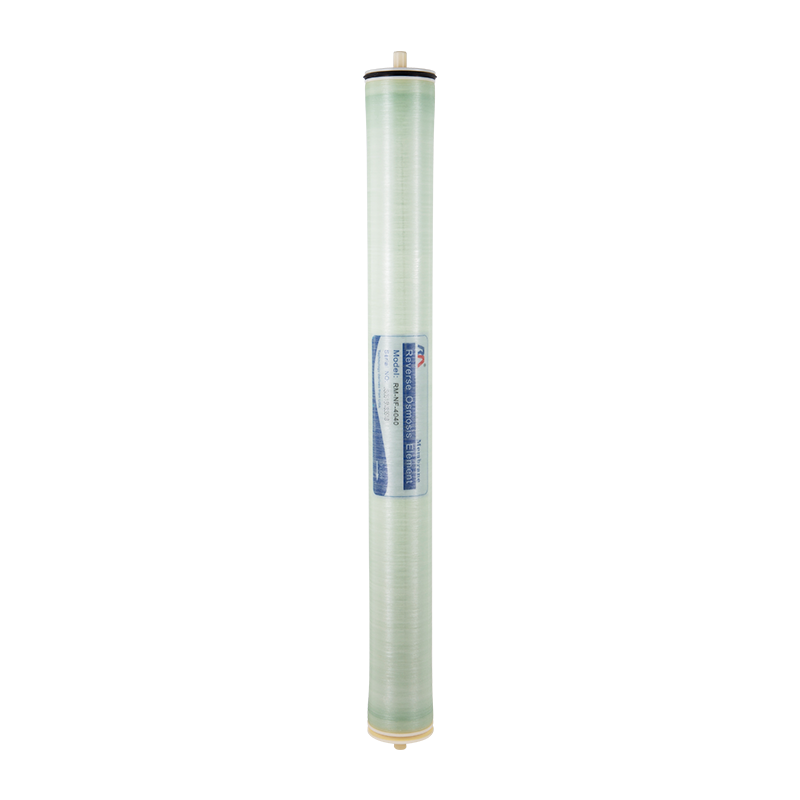
Nanofiltration membrane systems offer several operational benefits that explain their growing adoption across water treatment and industrial processing applications.
Despite its advantages, nanofiltration membrane technology does present operational challenges that facility operators need to manage proactively to maintain consistent performance over time.
Choosing the right nanofiltration membrane setup requires careful evaluation of your specific feed water or process stream characteristics rather than relying on generic specifications alone.
Begin by conducting a thorough feed water analysis to identify the specific contaminants, ion concentrations, and organic load your system needs to address, since membrane selection depends heavily on matching molecular weight cutoff and charge characteristics to your target separation goals. Consider the membrane material's chemical compatibility with your process, as polyamide-based membranes offer excellent rejection performance but may be sensitive to chlorine exposure, while other materials might better suit specific cleaning or disinfection protocols. Finally, factor in long-term operating costs including cleaning frequency, membrane replacement intervals, and energy consumption, since the lowest upfront equipment cost doesn't always translate to the lowest total cost of ownership over the system's operational lifespan.