

 English
 عربى
عربى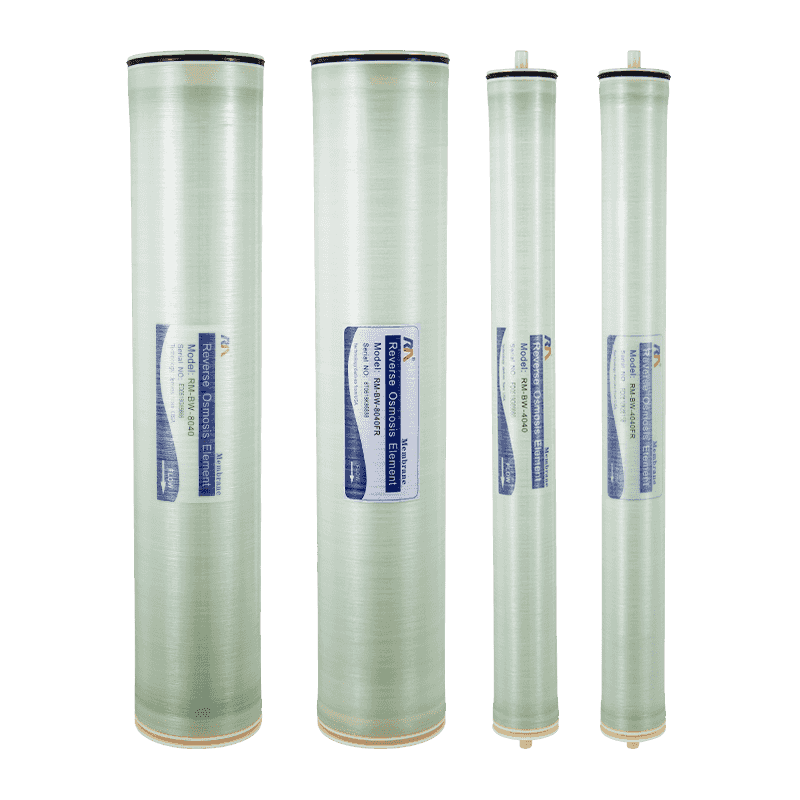
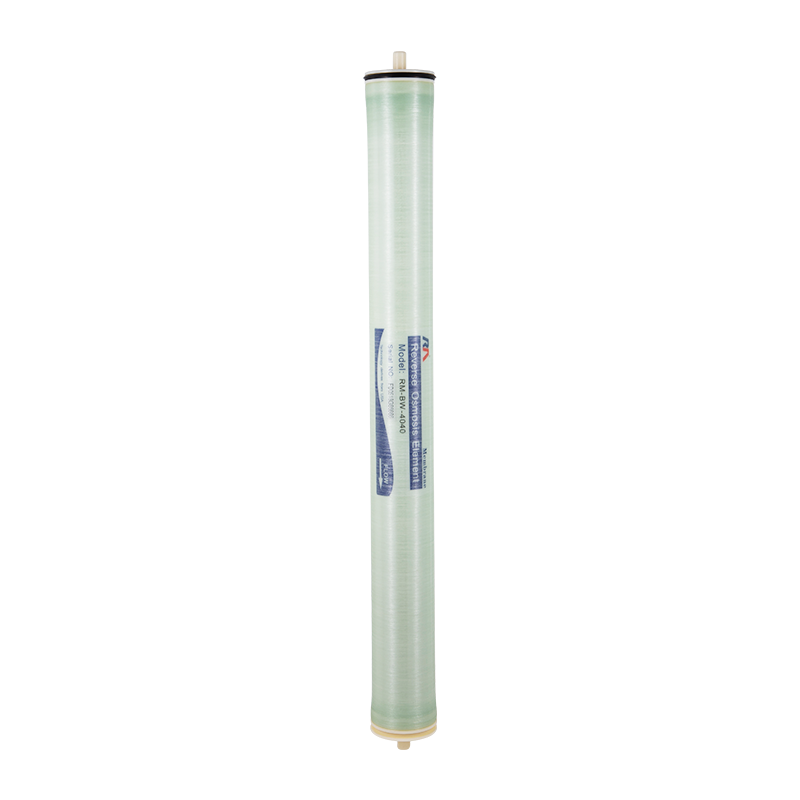
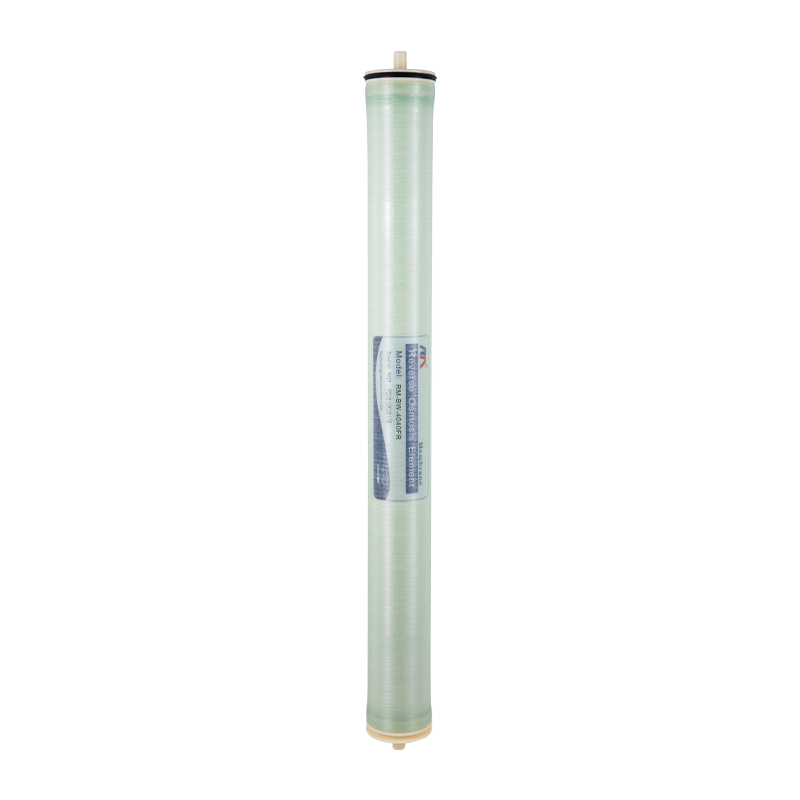
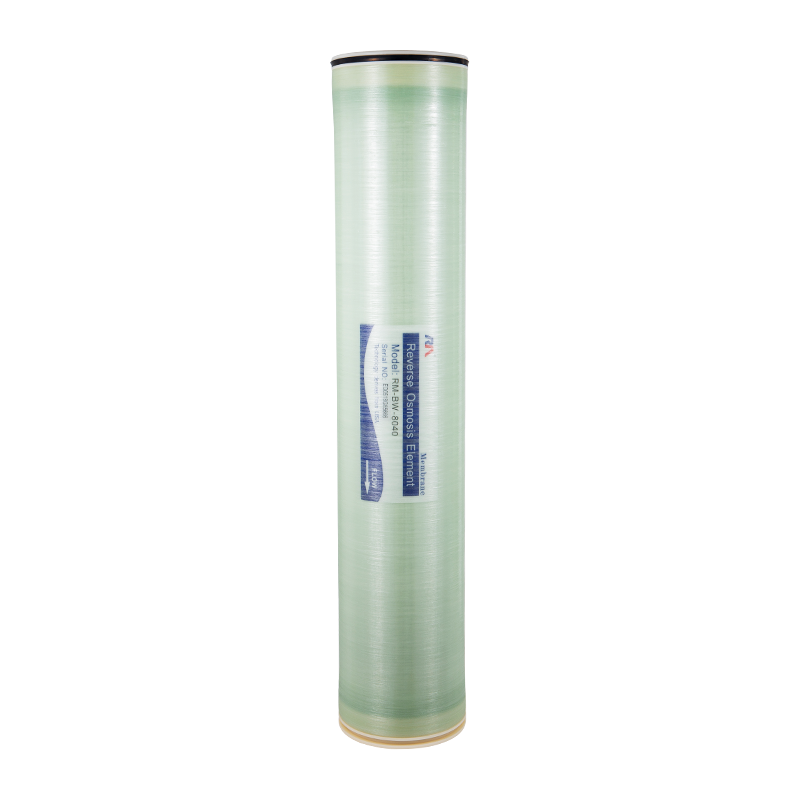
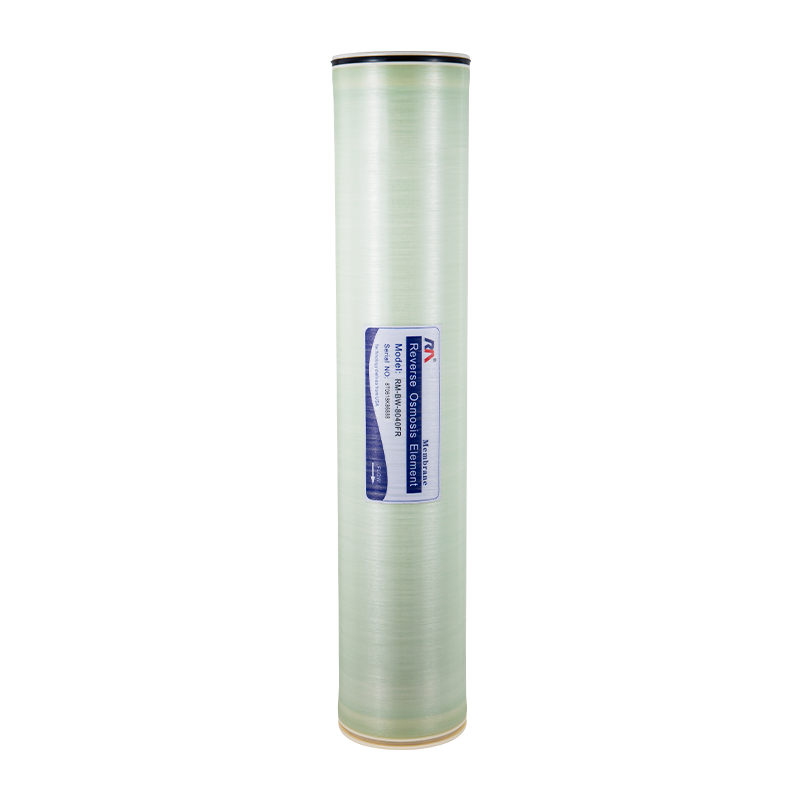
BW(Brackish Water) Membranes
DownloadBrief Introduction
The BW series is an aromatic polyamide composite membrane element for brackish water desalination. It has the characteristics of high water production and good desalination performance. In addition, it has high performance in removing soluble salts, TOC, and SiO 2, and is especially suitable for the making of
highly purified water in the electronics and power industries.
It is suitable for desalination treatment of surface water, groundwater, tap water, and municipal water with salt content less than 10,000 ppm. It is mainly used for industrial pure water of various scales, boiler feed water of power plants, and other industrial water. It can also be used for the treatment of brackish water applications such as high-concentration saline wastewater and beverage water manufacturing.In the
FR series, the surface of this membrane was treated by special technology, which changed the electric charge and smoothness of the membrane surface, increased the hydrophilicity of the membrane surface, thus reducing the contamination of pollutants and microorganisms on the membrane surface, and
achieving the purpose of reducing the contamination of membrane components and prolonging the service life.
Scope of Application
It is mainly used in various fields of industry, such as pure water, boiler recharge water, food processing and pharmaceutical manufacturing.
- BW series of membrane elements performance
|
Model |
Membrane ft2(m2) |
Average Permeate GPD (m3/d) |
Stable Rejection % |
Min. Rejection % |
|
RM-BW-4021 |
36 (3.3) |
950 (3.6) |
99.5 |
99 |
|
RM-BW-4040 |
85 (7.9) |
2000 (7.6) |
99.5 |
99 |
|
RM-BW-8040 |
400 (37) |
10500 (39.5) |
99.5 |
99 |
|
RM-BW-4040FR |
85 (7.9) |
1900 (7.2) |
99.6 |
99 |
|
RM-BW-8040FR |
400 (37) |
9500 (36) |
99.6 |
99 |
- BW series of membrane elements Testing Conditions
|
Testing Pressure |
225 psi (1.5MPa) |
|
Temperature of Testing Solution |
25 ℃ |
|
Concentration of Testing Solution (NaCl) |
2000ppm |
|
pH Value of Testing Solution |
7.5 |
|
Recovery Rate of Single Element |
15%(8040、4040、2540);8% (4021、2521) |
- BW series of membrane elements Operation Limits & Conditions
|
Max. Working Pressure |
600psi(4.14MPa) |
Max. Feed Water COD |
10ppm |
|
Max. Feed Water Flow |
75gpm(17 m 3 /h)For 8040 16gpm(3.6 m 3/h) For 4040、4021 |
Max. Feed Water BOD |
5ppm |
|
Max. Feed Water TOC |
10ppm |
||
|
Max. Feed Water Temperature |
45℃ |
Residual Chlorine Concentration of Feed Water |
< 0.1ppm |
|
Max. Feed Water TDS |
5000ppm |
pH Range of Feed Water During Continuous Operation |
2 ~ 12 |
|
Max. Feed Water Hardness |
60ppm |
Max. Pressure Drop of Single Element |
15psi(0.1MPa) For8040、4040 10psi(0.07MPa)For4021 |
|
Max. Feed Water SDI 15 |
5 |
||
|
Max.Turbidity NTU |
1 |
CONTACT FORM
Related Products


Company
Suzhou Runmo Water Treatment Technology Co., Ltd.
Run membrane water treatment technology co., ltd. is a national technology enterprise integrating r&d, manufacturing and sales of reverse osmosis membrane, ultrafiltration membrane and polymer membrane technology, with independent intellectual property rights and world leading membrane material manufacturing process, providing efficient and reliable membrane products and solutions for global water treatment industry.
As Brackish Water Membrane Manufactuers in China, Brackish Water RO Membranes Suppliers, We focus on membrane technology innovation, with a perfect independent R & D system, automated production lines, annual production capacity of more than 800,000 membrane products, a total of more than 40 patents. As BW RO Membrane Factory, From water quality testing, membrane product customisation, to system design, project delivery, to after-sales operation and maintenance, Runmo provides you with the whole process, a full range of professional services to ensure the efficient and stable operation of the water treatment system, to help you easily cope with a variety of complex water quality challenges. We supply Wholesale Brackish Water RO Membranes, for the world's 60 + countries continue to provide quality products and technical support.
As Brackish Water Membrane Manufactuers in China, Brackish Water RO Membranes Suppliers, We focus on membrane technology innovation, with a perfect independent R & D system, automated production lines, annual production capacity of more than 800,000 membrane products, a total of more than 40 patents. As BW RO Membrane Factory, From water quality testing, membrane product customisation, to system design, project delivery, to after-sales operation and maintenance, Runmo provides you with the whole process, a full range of professional services to ensure the efficient and stable operation of the water treatment system, to help you easily cope with a variety of complex water quality challenges. We supply Wholesale Brackish Water RO Membranes, for the world's 60 + countries continue to provide quality products and technical support.
Manufacturing Strength
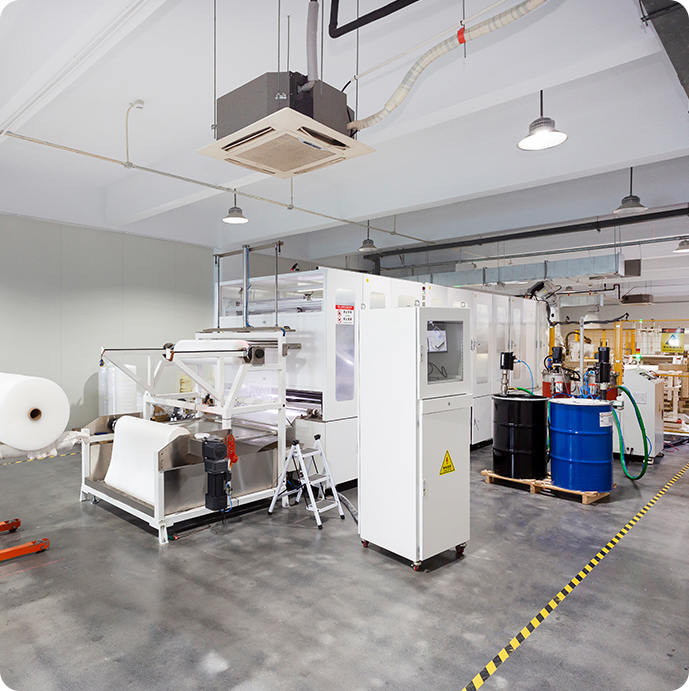
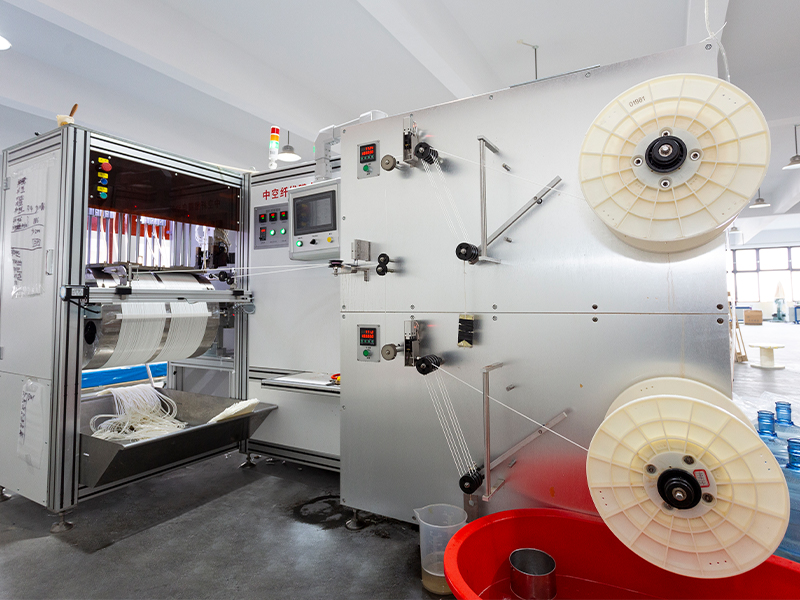
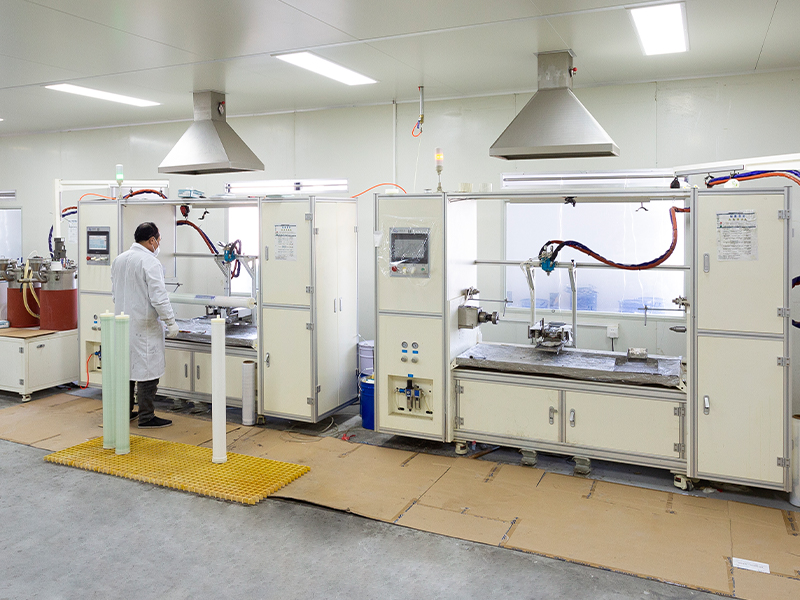
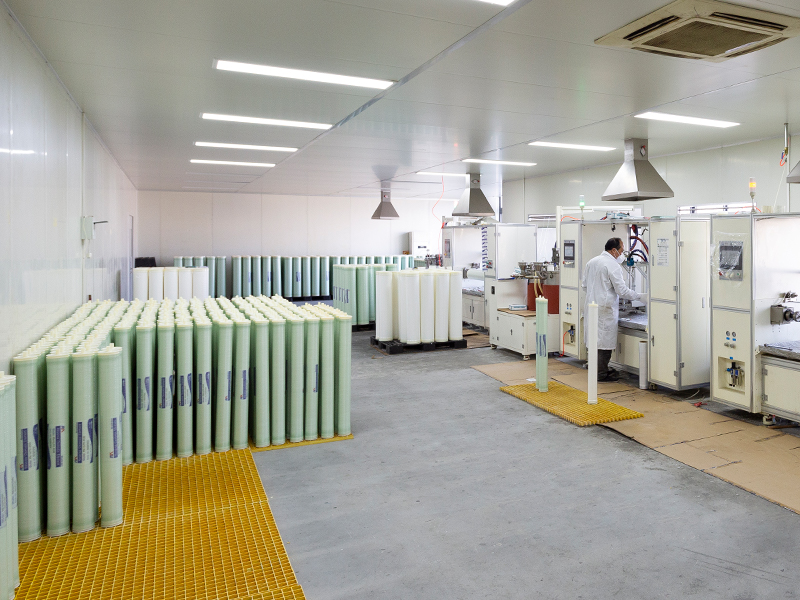
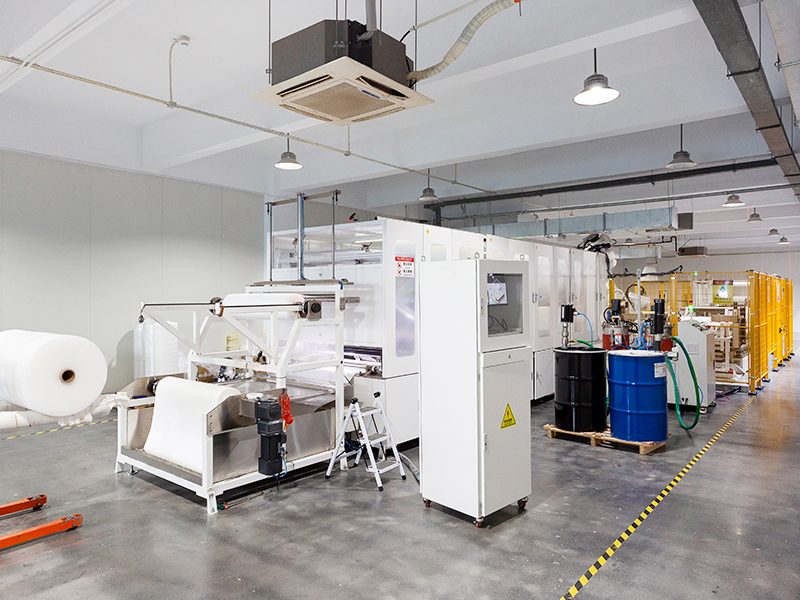
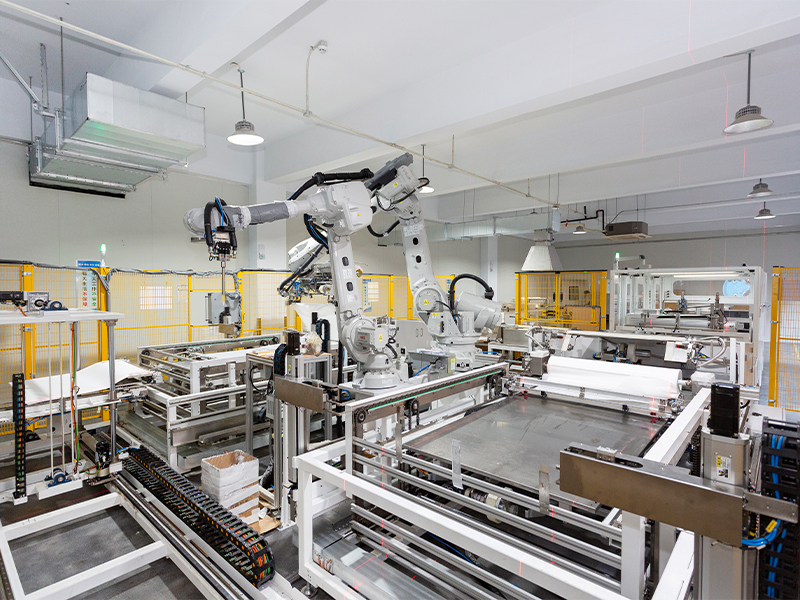
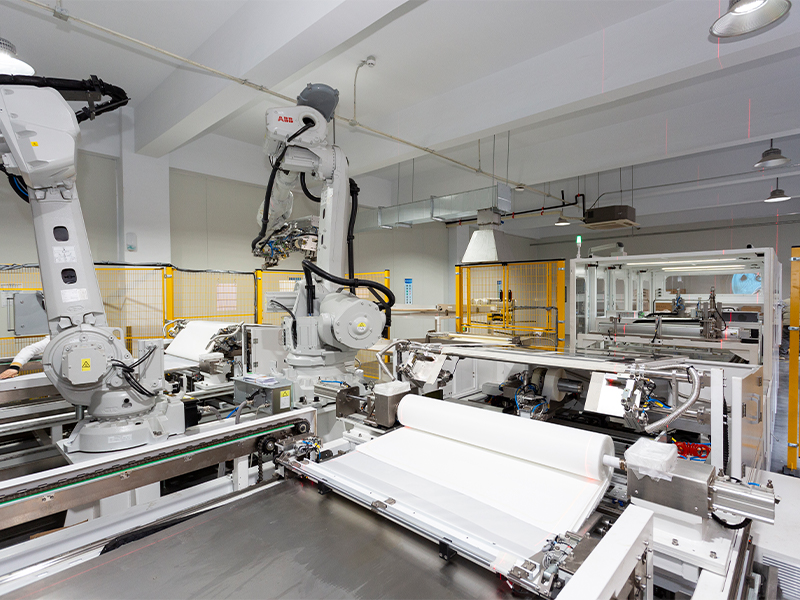
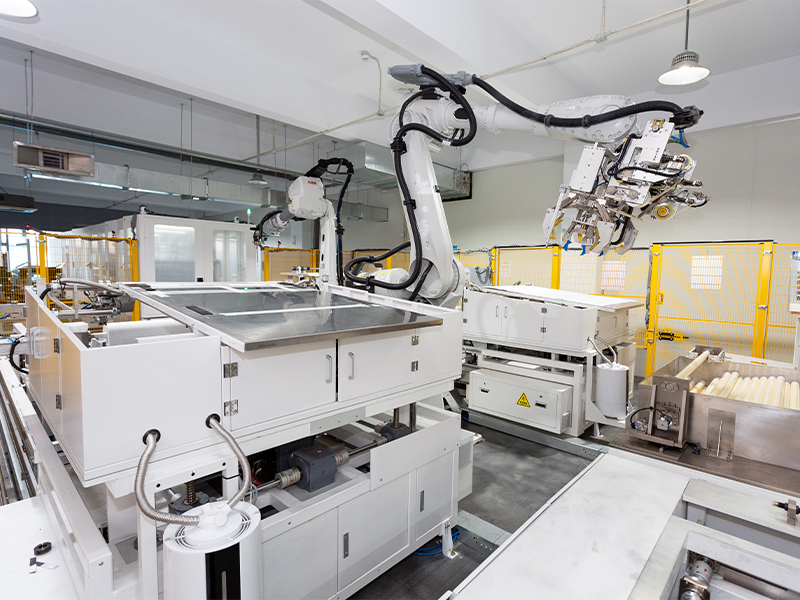
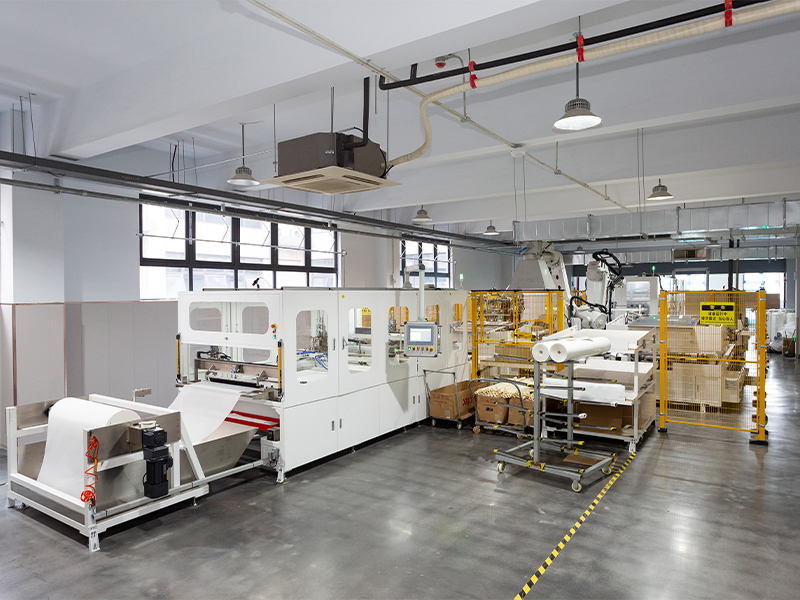
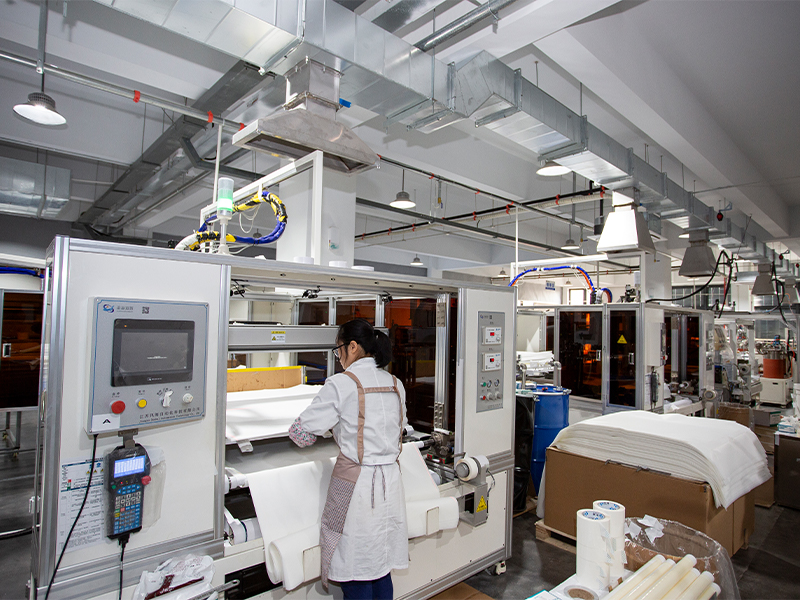
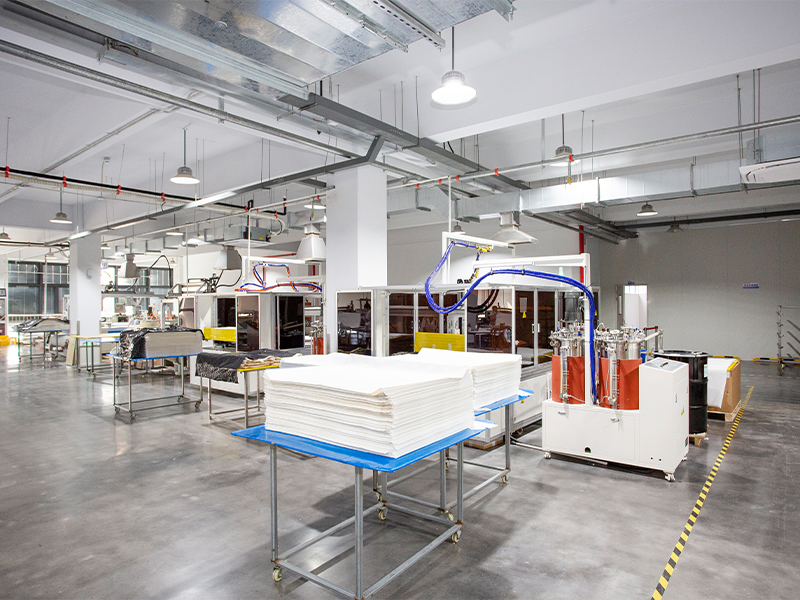
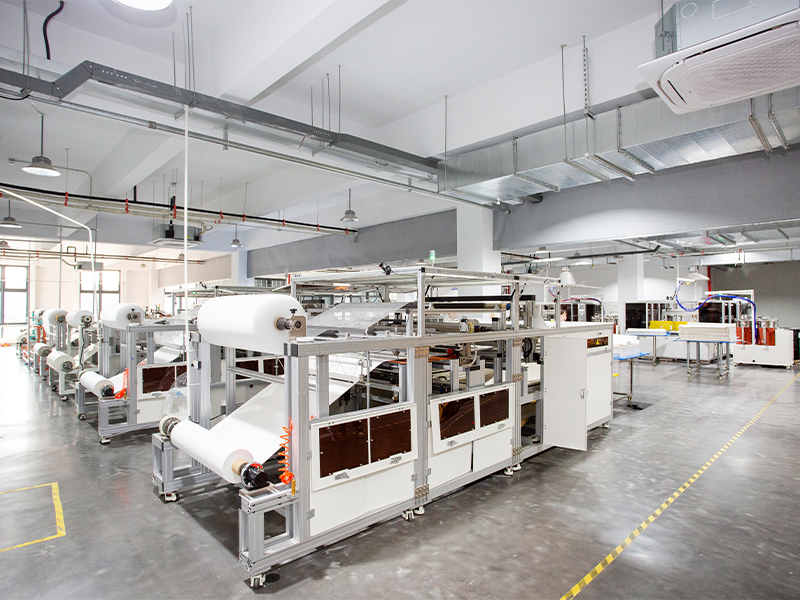
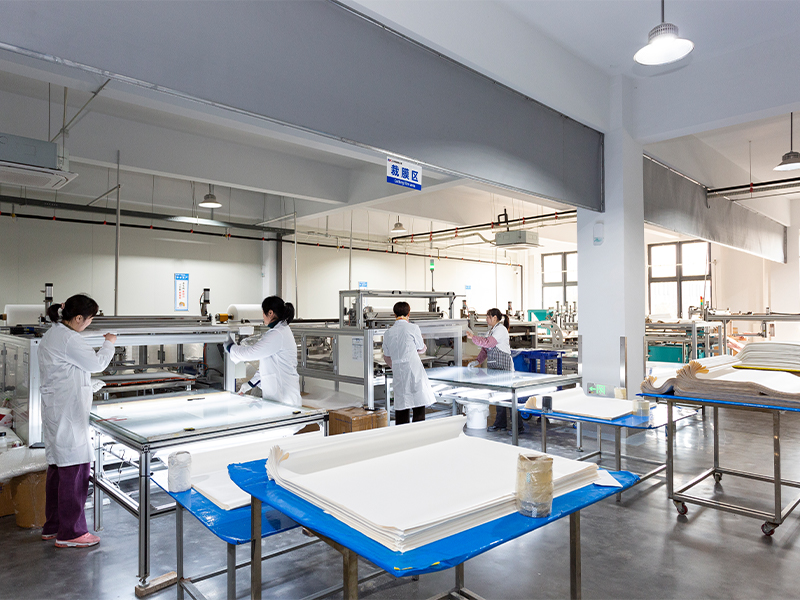
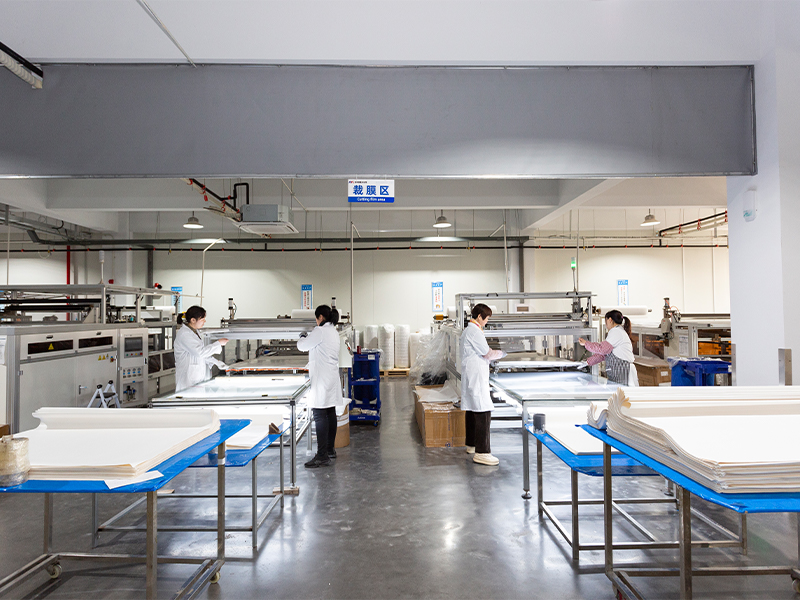
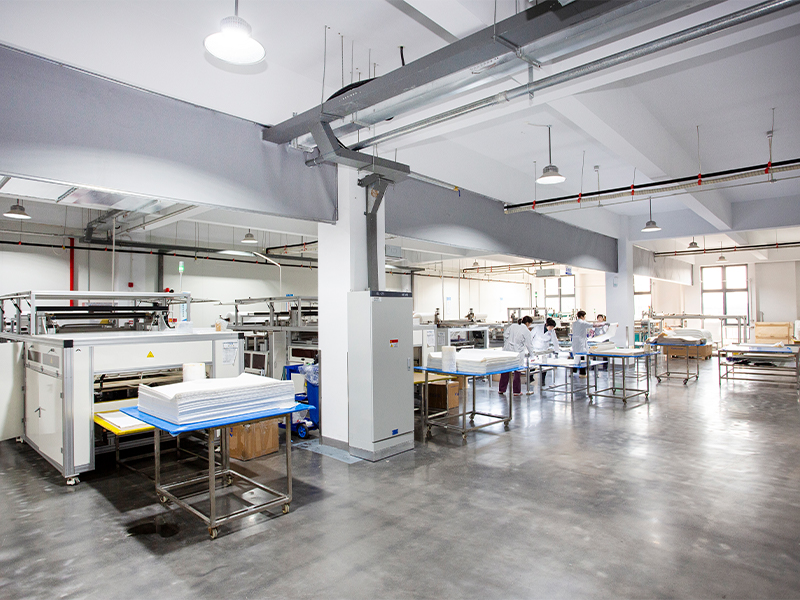
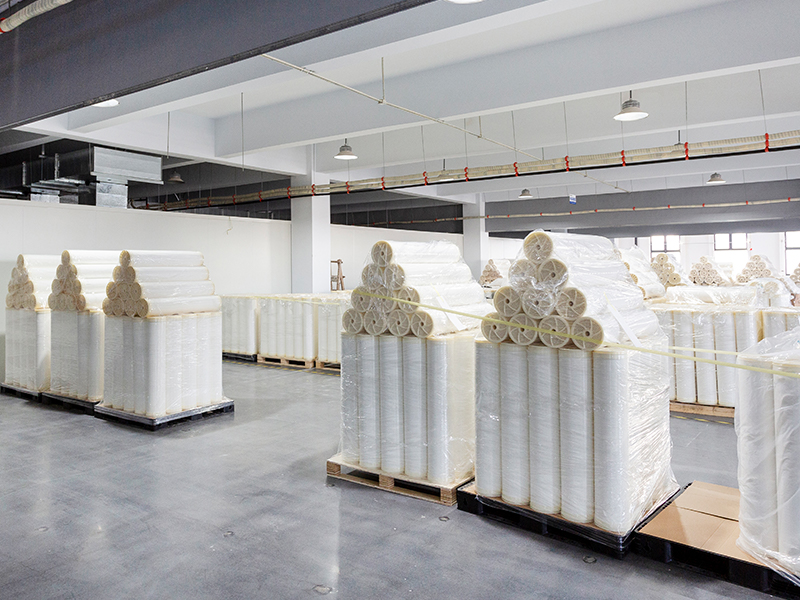
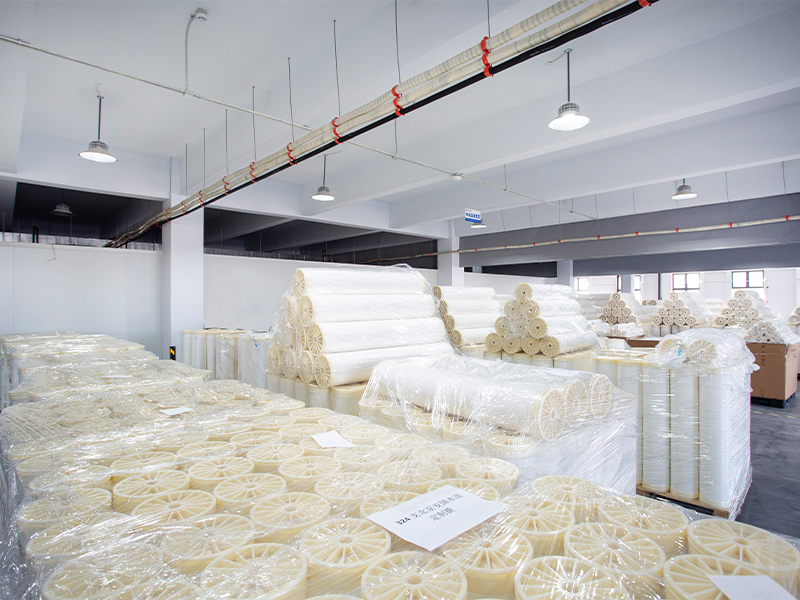
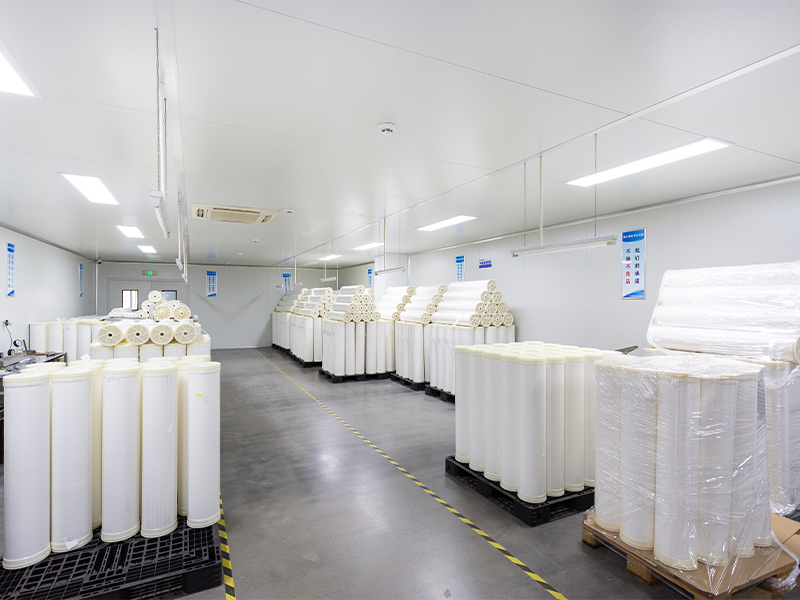
As Brackish Water RO Membranes Suppliers in China, We have advanced and efficient fully automated film rolling lines and dozens of automated film production lines, guaranteeing all the needs from small batch customisation to large-scale delivery. With an annual production capacity of up to 800,000 pieces of industrial film, Runmo strictly implements the whole process of quality inspection to ensure the stability and reliability of each product.
News
-
What Are PAN UF Membranes and Why They Stand Out PAN UF membranes are ultrafiltration membranes made from polyacrylonitrile, a polymer valued for its strength, chemical resistance,...
Read More -
What Is a Nano Filtration Membrane and How Does It Work A nano filtration membrane is a semi-permeable barrier engineered with pore sizes in the nanometer range, typically between ...
Read More -
What Seawater RO Membranes Do and Why They're Different From Brackish Water Membranes Seawater RO membranes are specialized filtration elements used in reverse osmosis systems to r...
Read More -
What Are UF Membranes and How They Filter Water UF Membranes, short for ultrafiltration membranes, are filtration barriers with extremely small pores, typically ranging from 0.01 t...
Read More -
What Is a Nano Filtration Membrane? A nano filtration membrane is a semi-permeable pressure-driven separation membrane that occupies the performance space between ultrafiltration (...
Read More
Industry knowledge
Can Suzhou Runmo Water Treatment Technology Co., Ltd.'s Brackish Water Membrane handle chlorine or other oxidants?
In the intricate ecosystem of water treatment, where precision and resilience are paramount, the question of membrane durability against oxidants like chlorine looms large. For industries reliant on brackish water desalination—from electronics manufacturing to power generation—the ability of a membrane to withstand such chemical stressors can mean the difference between operational continuity and costly downtime. Suzhou Runmo Water Treatment Technology Co., Ltd., a national high-tech enterprise at the forefront of membrane innovation, has long navigated this challenge, merging advanced material science with engineering rigor to craft solutions that balance performance and longevity. As we delve into the capabilities of their BW RO Membrane, we uncover not just a technical specification, but a testament to how deliberate design can redefine industry standards for chemical tolerance.
At the core of Runmo’s expertise lies a vertically integrated ecosystem that spans research, production, and global deployment. As a pioneer in reverse osmosis (RO), ultrafiltration (UF), and polymer membrane technologies, the company has cultivated a portfolio rooted in independent intellectual property—over 40 patents to date—and a manufacturing process that ranks among the world’s most advanced. Their automated production lines, churning out over 800,000 membrane products annually, are not mere assembly lines but precision hubs where molecular engineering meets industrial scale. This synthesis of R&D prowess and manufacturing efficiency positions Runmo as more than a supplier; it is a custodian of water treatment reliability, particularly in the realm of brackish water desalination.
Brackish water, with its salinity ranging from 1,000 to 10,000 ppm, presents a unique set of challenges. Unlike seawater, which demands extreme desalination capabilities, brackish sources often contain a complex matrix of dissolved solids, organic compounds, and oxidants—byproducts of pre-treatment or naturally occurring—that can degrade membrane integrity over time. Chlorine, in particular, is a double-edged sword: while it is widely used to disinfect feed water and prevent biofouling, its oxidizing properties can attack the polymeric structure of membranes, leading to diminished flux, reduced desalination efficiency, and premature failure. For operators, this creates a paradox: how to leverage chlorine’s sanitizing power without compromising the membrane’s performance.
Runmo’s BW series, an aromatic polyamide composite membrane tailored for brackish water, addresses this paradox through deliberate material science. Aromatic polyamides are prized in RO membranes for their exceptional selectivity and water permeability, but they are inherently susceptible to oxidation by free chlorine. Runmo’s innovation lies not in eliminating this vulnerability, but in mitigating it through proprietary modifications to the membrane’s surface chemistry and structural architecture. The result is a membrane that strikes a nuanced balance: it tolerates low levels of residual chlorine (typically 0.1 ppm or less) for short durations, providing a buffer against occasional spikes in oxidant concentration, while maintaining the high water production and desalination efficiency that define the series.
This tolerance is no accident. Runmo’s R&D team, drawing on decades of polymer engineering experience, has developed a dual-layer protection mechanism. The first layer involves cross-linking the polyamide chains at strategic molecular junctions, creating a more robust lattice that resists cleavage by oxidizing agents. The second layer is a hydrophilic coating—applied via a precision deposition process—that acts as a sacrificial barrier, neutralizing free chlorine before it reaches the polyamide matrix. This coating, composed of a proprietary blend of sulfonated polymers, not only enhances chlorine tolerance but also improves the membrane’s anti-fouling properties, a critical advantage in brackish water applications where organic load can be high.
For scenarios where chlorine exposure is unavoidable or prolonged, Runmo offers the FR series—a specialized iteration of their Brackish Water RO Membranes designed for enhanced chemical resilience. The FR series builds on the BW platform with a surface modification technology that alters both the charge and topography of the membrane. By introducing quaternary ammonium groups into the surface layer, the membrane gains a positive charge that repels negatively charged oxidants like hypochlorite ions, reducing their adsorption and subsequent reactivity with the polyamide. Concurrently, the surface is rendered smoother at the microscale, minimizing crevices where oxidants might accumulate and initiate degradation. These modifications, validated through accelerated aging tests simulating 5 years of operation, extend the membrane’s service life by up to 30% in chlorinated environments compared to conventional aromatic polyamide membranes.
But chlorine is not the only oxidant in the water treatment landscape. Ozone, hydrogen peroxide, and permanganate are often used in advanced oxidation processes to break down recalcitrant organic compounds, and their presence can pose even greater risks to membrane integrity. Runmo’s approach here is twofold: first, through rigorous feed water analysis as part of their end-to-end service package, and second, through customized membrane formulations that target specific oxidant profiles. For instance, in applications where ozone is used for pre-treatment, Runmo can adjust the cross-link density of the polyamide to enhance resistance to ozone’s potent oxidizing effect, while maintaining flux rates through optimized pore size distribution. This level of customization—rooted in their in-house water quality testing lab and material science capabilities—sets Runmo apart as a solutions provider rather than a one-size-fits-all supplier.
The practical implications of this engineering are profound. Consider a power plant relying on brackish groundwater for boiler feed water. The feed water, treated with chlorine to control biofilm growth, must be desalinated to meet strict purity standards. A membrane with inadequate chlorine tolerance would degrade rapidly, leading to increased energy consumption (as pressure requirements rise) and frequent replacements—costs that can escalate into the six figures annually. Runmo’s BW series, with its balanced tolerance, allows the plant to maintain chlorine levels sufficient for disinfection while preserving membrane performance, reducing lifecycle costs by an estimated 20-25%. Similarly, in electronics manufacturing, where even trace contaminants can compromise microchip production, the FR series’ enhanced resilience ensures that the ultra-pure water produced remains consistent, even when oxidants are used to maintain system sterility.
Runmo’s commitment to oxidant tolerance extends beyond the membrane itself, encompassing the entire water treatment system. Their comprehensive service package includes not just membrane supply, but system design optimization to minimize oxidant exposure. This might involve specifying the placement of dechlorination units (such as activated carbon filters or sodium metabisulfite injection points) to ensure residual oxidants are neutralized before reaching the membrane array. During project commissioning, their technicians conduct rigorous testing to verify oxidant levels at various stages, making real-time adjustments to ensure compliance with membrane specifications. Post-installation, their remote monitoring systems track parameters like oxidation-reduction potential (ORP), alerting operators to potential spikes in oxidant concentration before they can cause damage.
This holistic approach is underpinned by Runmo’s global footprint, with operations spanning over 60 countries. Their regional technical teams, trained in the nuances of local water chemistry, bring a localized perspective to oxidant management. In coastal regions where brackish water may contain higher levels of naturally occurring oxidants (such as manganese or iron), they might recommend pre-treatment steps tailored to those specific contaminants. In industrial zones where process wastewater introduces synthetic oxidants, their engineers collaborate with clients to design membrane systems that can withstand intermittent exposure, often drawing on case studies from similar applications.
Looking to the future, Runmo’s R&D pipeline includes next-generation membranes that push the boundaries of oxidant tolerance. One promising avenue is the incorporation of nanomaterials—such as graphene oxide or metal-organic frameworks—into the membrane structure. These materials, with their high surface area and tunable chemical properties, can act as selective barriers, allowing water molecules to pass while scavenging oxidants before they interact with the polyamide matrix. Early prototypes have shown a 50% increase in chlorine tolerance compared to current models, with no compromise in desalination efficiency. Another area of focus is self-healing membranes, which use reversible chemical bonds to repair oxidant-induced damage, extending membrane life even further.
In conclusion, the ability of Suzhou Runmo’s brackish water membranes to handle chlorine and other oxidants is not a static specification but a dynamic capability—one that emerges from advanced material science, system-level engineering, and a commitment to client success. Through their BW and FR series, they have demonstrated that oxidant tolerance and high performance are not mutually exclusive, but rather complementary goals achievable through deliberate design. For industries navigating the complex waters of brackish desalination, Runmo offers not just a membrane, but a partnership—one that ensures their water treatment systems remain resilient, efficient, and cost-effective, even in the face of oxidant challenges. As water scarcity intensifies and industrial demands for pure water grow, such innovations will only become more critical, solidifying Runmo’s position as a leader in the global water treatment landscape.

Product
Solutions & Cases
Service
Contact
