

 English
 عربى
عربى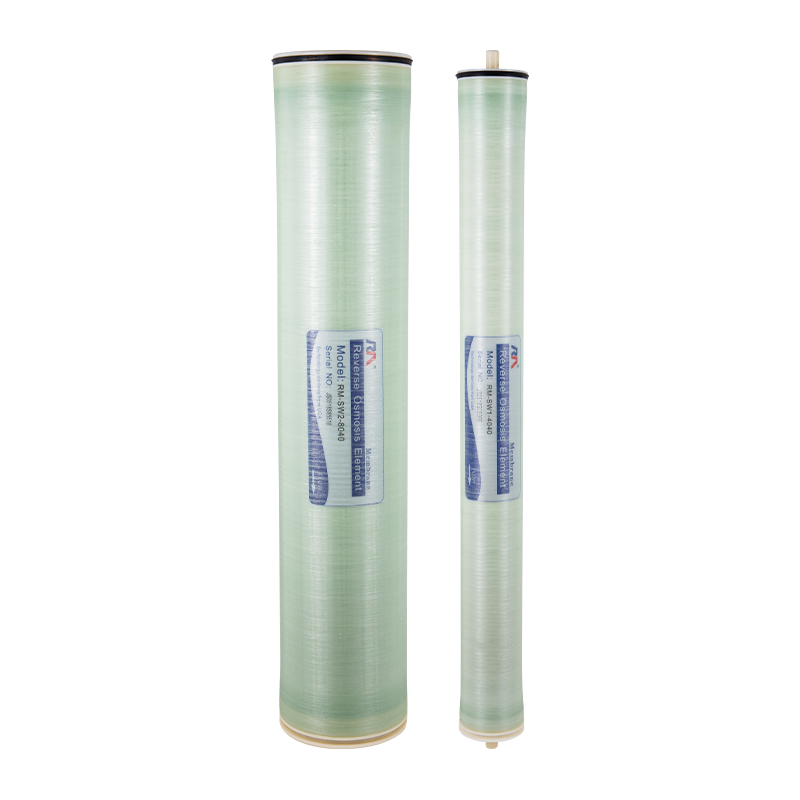
SW(Sea Water) Membranes
DownloadBrief Introduction
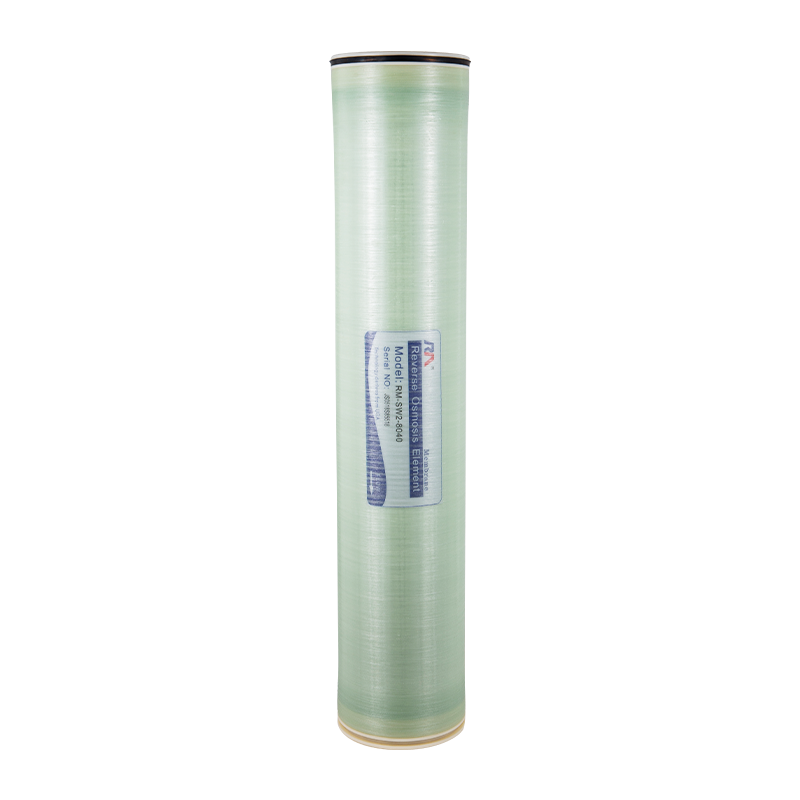
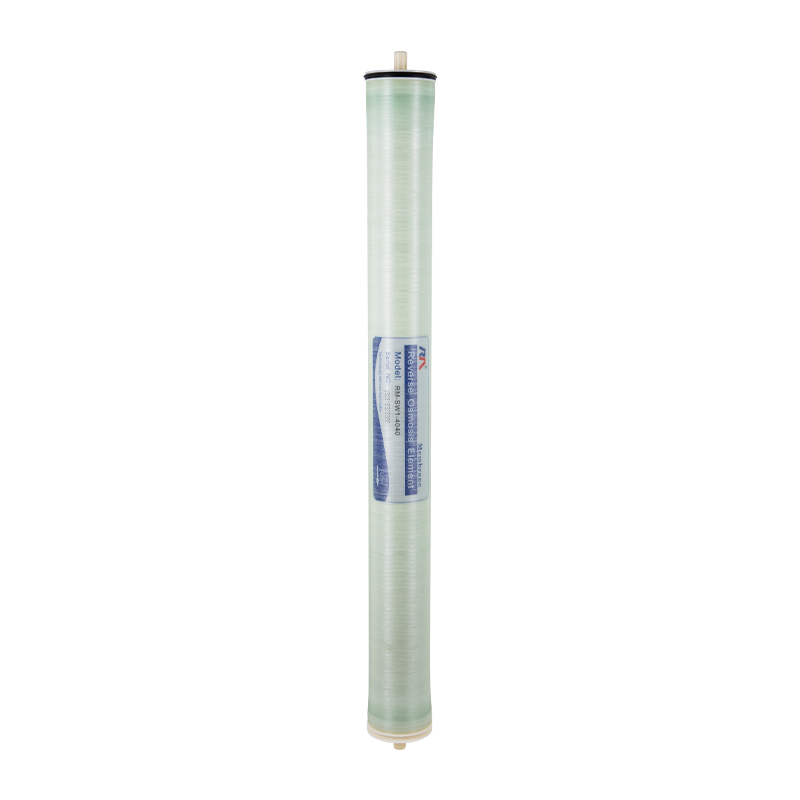
SW Series is an aromatic polyamide composite membrane element for seawater desalination. By optimizing the structure of the membrane element, this series of membrane elements can increase water production. Under the same water production requirement, the number of membrane elements can be reduced. It has the characteristics of low operating pressure, low equipment investment, good desalination performance, and stability. In particular, its high desalination rate ensures that drinking water can be obtained from seawater through first-order reverse osmosis.
SW series membrane elements are suitable for the treatment of seawater and brackish water with high concentration. They can be used for the treatment of seawater desalination, desalination of brackish water with high concentration, boiler feed water in power plants, wastewater reuse, concentration and recovery of high-value-added substances such as food and medicine, etc.
Scope of Application
It is mainly used in various fields of industry, such as pure water, boiler recharge water, food processing and pharmaceutical manufacturing.
- SW series of membrane elements performance
|
Model |
Membrane ft2 (m2) |
Average Permeate GPD(m3/d) |
Stable Rejection % |
Min. Rejection% % |
|
RM-SW1-4040 |
80 (7.4) |
1900 (7.2) |
99. 7 |
99 |
|
RM-SW2-8040 |
380 (35.2) |
8200 (31) |
99.7 |
99 |
- SW series of membrane elements Testing Conditions
|
Testing Pressure |
800 psi (5.5MPa) |
|
Temperature of Testing Solution |
25 ℃ |
|
Concentration of Testing Solution (NaCl) |
30000ppm |
|
pH Value of Testing Solution |
7.5 |
|
Recovery Rate of Single Element |
8% |
- SW series of membrane elements Operation Limits & Conditions
| Max. Working Pressure | 1000psi(6.9MPa) | Max. Feed Water SDI15 | 5 |
| Max. Feed Water Flow |
75gpm (17 m3/h) For 8040 16gpm (3.6 m3/h) For 4040、 4021 |
Max. Feed Water COD | 10ppm |
| Max. Feed Water BOD | 5ppm | ||
| Max. Feed Water Temperature | 45°C | Max. Feed Water TOC | 10ppm |
| Max. Feed Water TDS | 5000ppm | Residual Chlorine Concentration of Feed Water | < 0. 1ppm |
| ax. Feed Water Hardness | 60ppm | pH Range of Feed Water During Continuous Operation | 2〜12 |
| Max.Turbidity NTU | 1.0 | Max. Pressure Drop of Single Element | 15psi (0.1MPa) |
CONTACT FORM
Related Products




Company
Suzhou Runmo Water Treatment Technology Co., Ltd.
Run membrane water treatment technology co., ltd. is a national technology enterprise integrating r&d, manufacturing and sales of reverse osmosis membrane, ultrafiltration membrane and polymer membrane technology, with independent intellectual property rights and world leading membrane material manufacturing process, providing efficient and reliable membrane products and solutions for global water treatment industry.
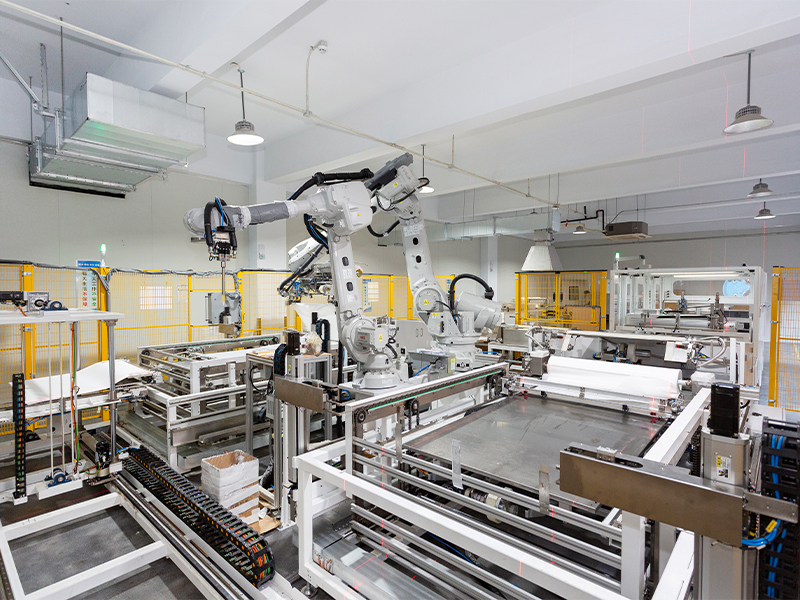
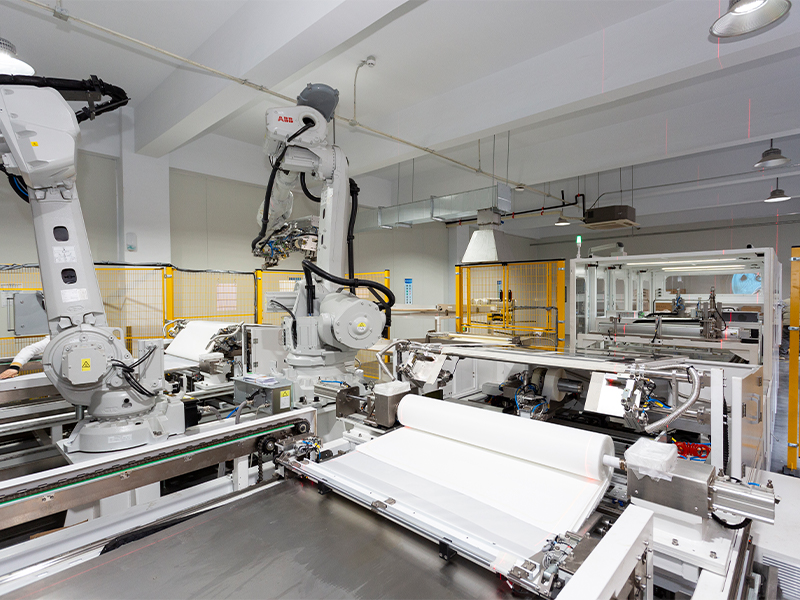
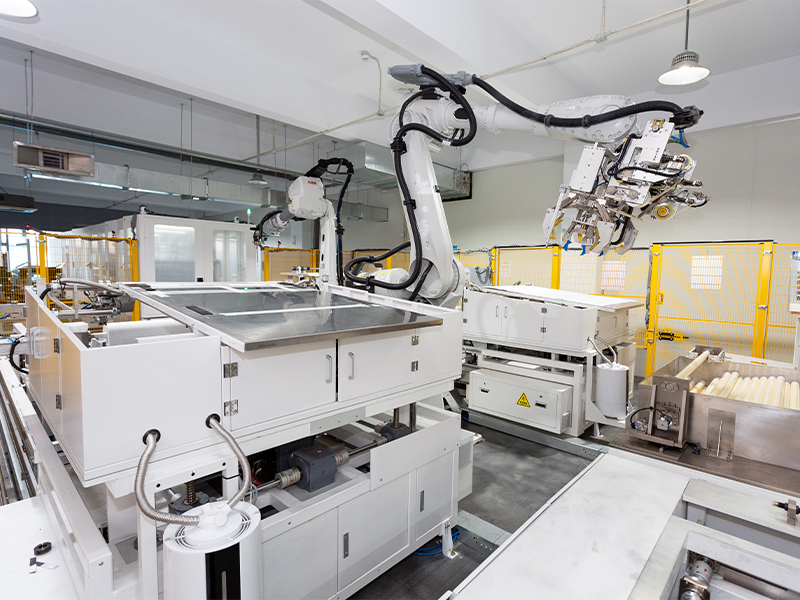
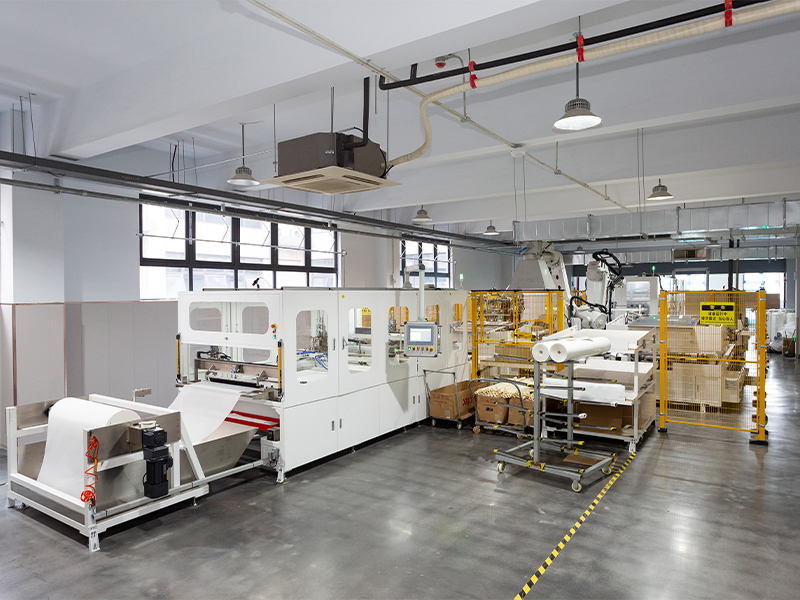
As Seawater Membranes Manufactuers in China, SWRO Membrane Suppliers, We focus on membrane technology innovation, with a perfect independent R & D system, automated production lines, annual production capacity of more than 800,000 membrane products, a total of more than 40 patents. As Seawater RO Membranes Factory, From water quality testing, membrane product customisation, to system design, project delivery, to after-sales operation and maintenance, Runmo provides you with the whole process, a full range of professional services to ensure the efficient and stable operation of the water treatment system, to help you easily cope with a variety of complex water quality challenges. We supply Wholesale SWRO Membrane, for the world's 60 + countries continue to provide quality products and technical support.
As Seawater Membranes Manufactuers in China, SWRO Membrane Suppliers, We focus on membrane technology innovation, with a perfect independent R & D system, automated production lines, annual production capacity of more than 800,000 membrane products, a total of more than 40 patents. As Seawater RO Membranes Factory, From water quality testing, membrane product customisation, to system design, project delivery, to after-sales operation and maintenance, Runmo provides you with the whole process, a full range of professional services to ensure the efficient and stable operation of the water treatment system, to help you easily cope with a variety of complex water quality challenges. We supply Wholesale SWRO Membrane, for the world's 60 + countries continue to provide quality products and technical support.
Manufacturing Strength
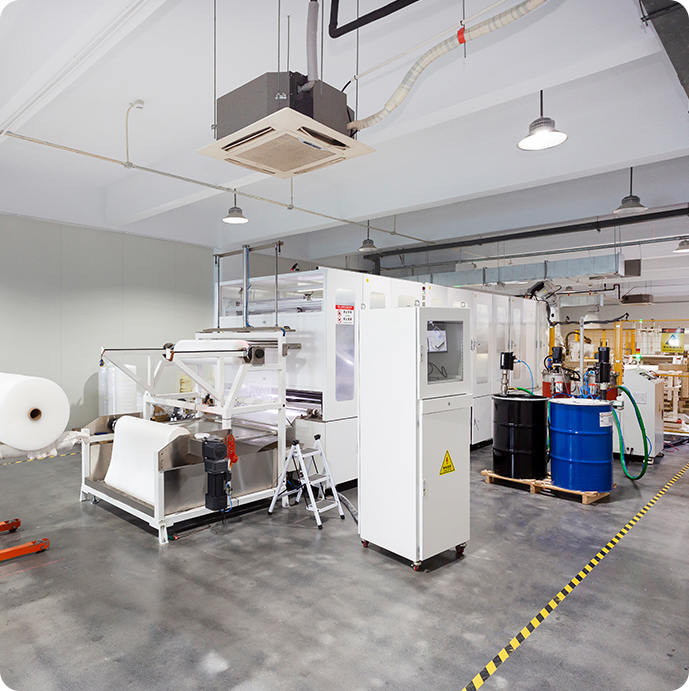
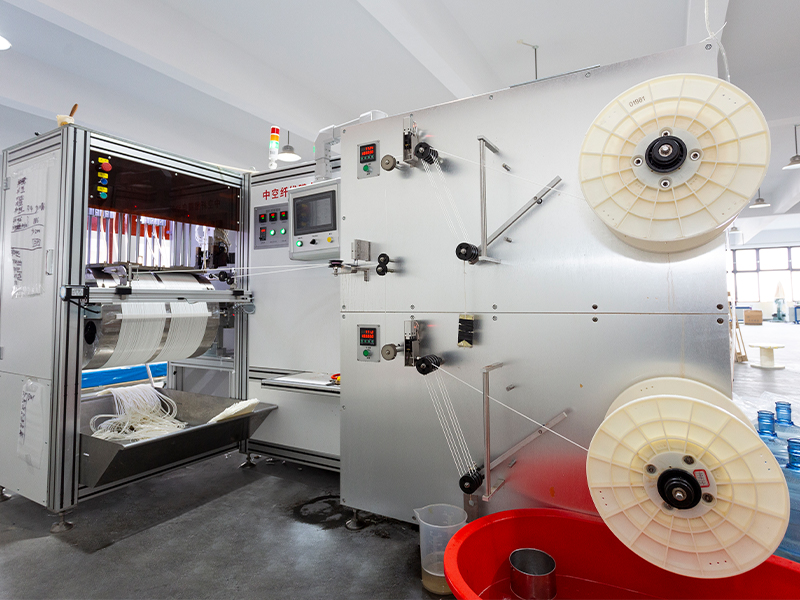
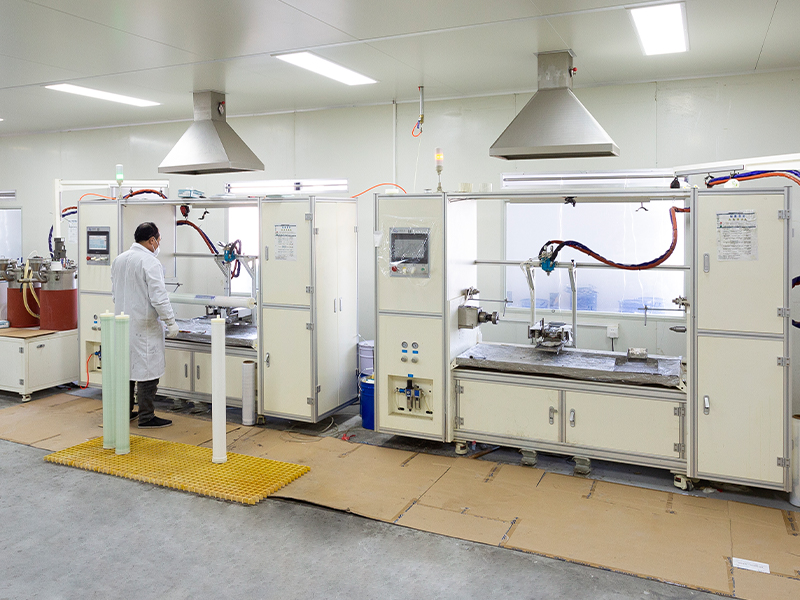
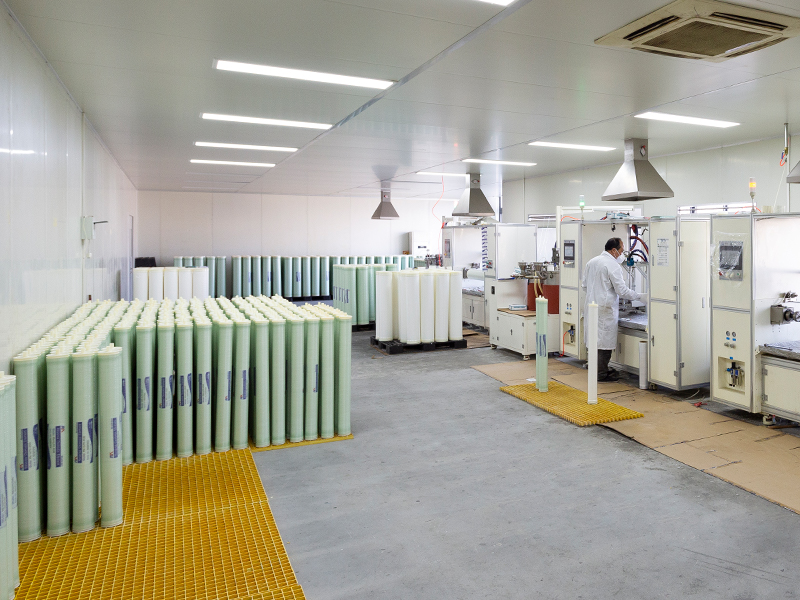
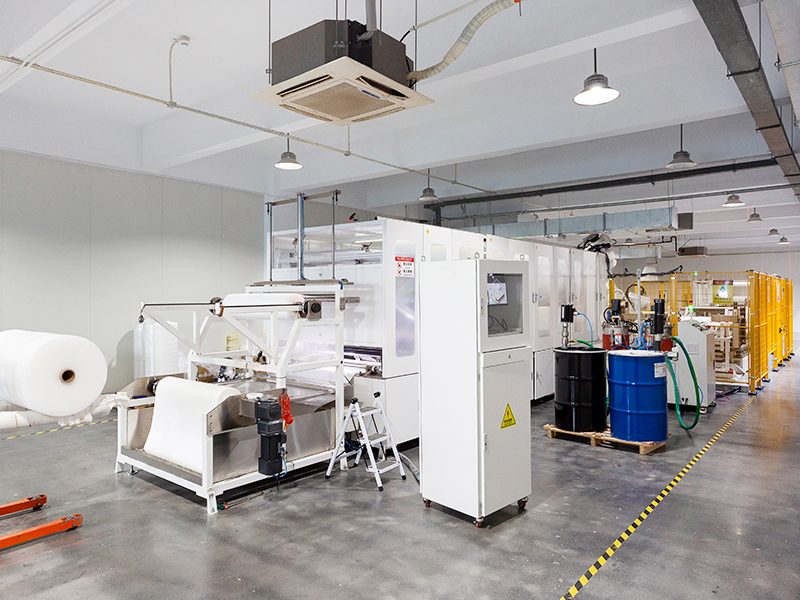
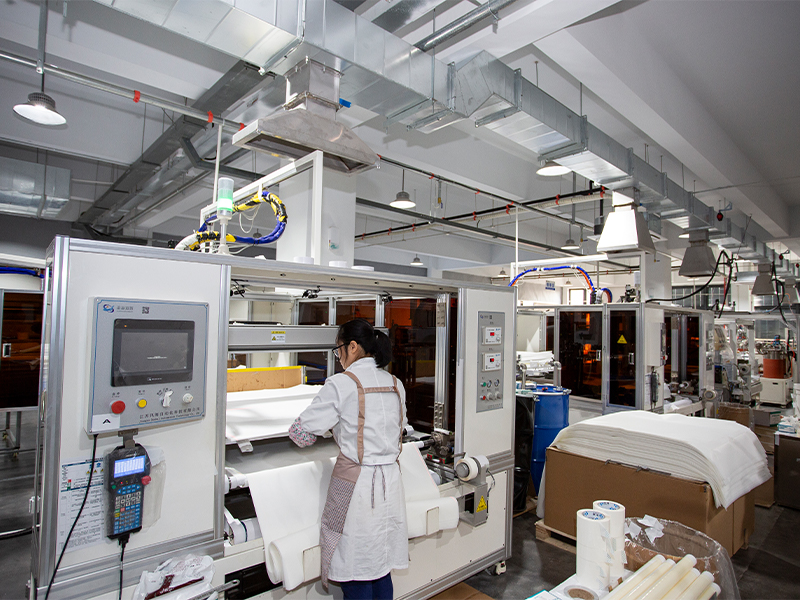
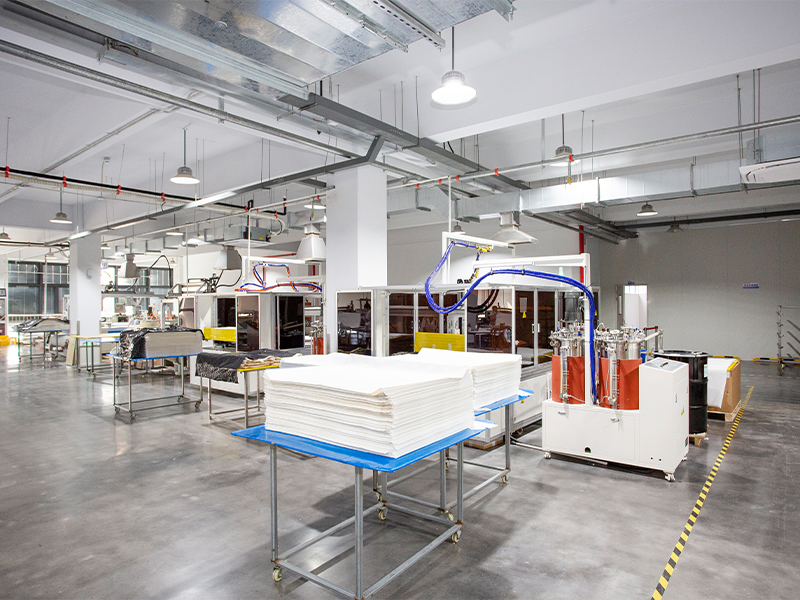
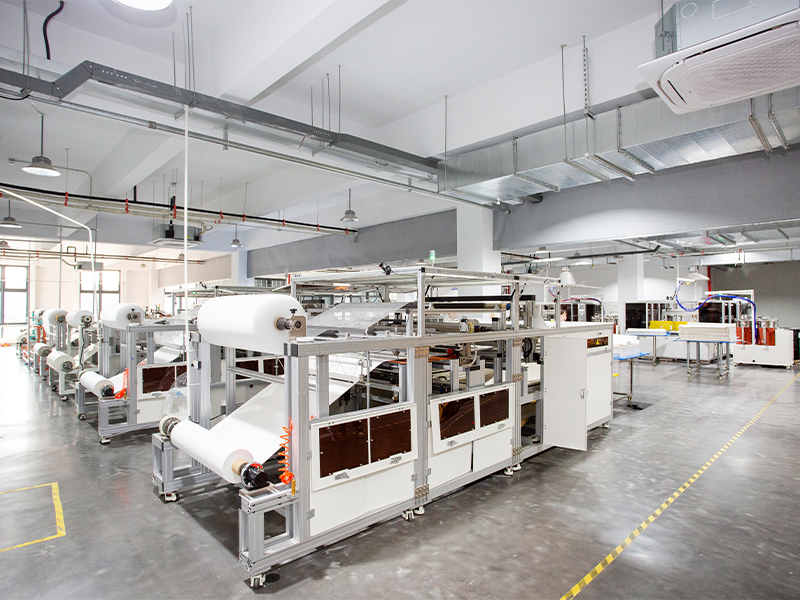
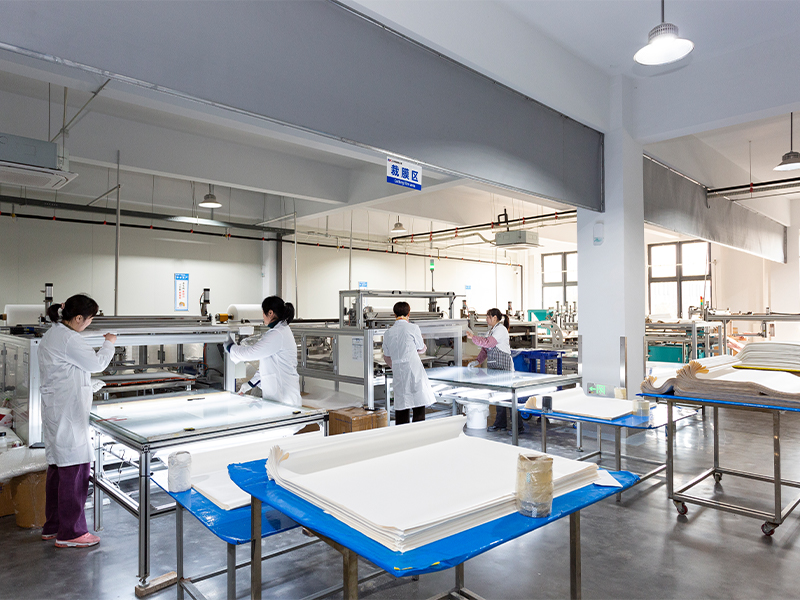
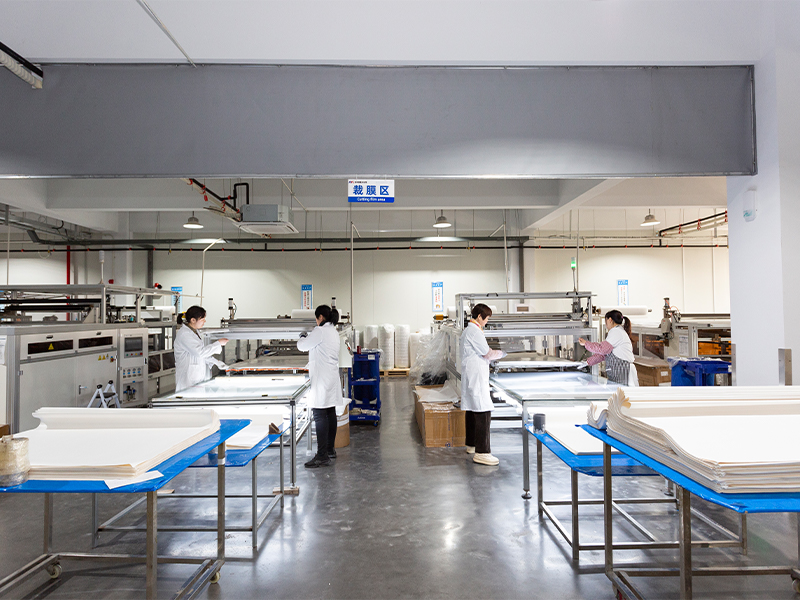
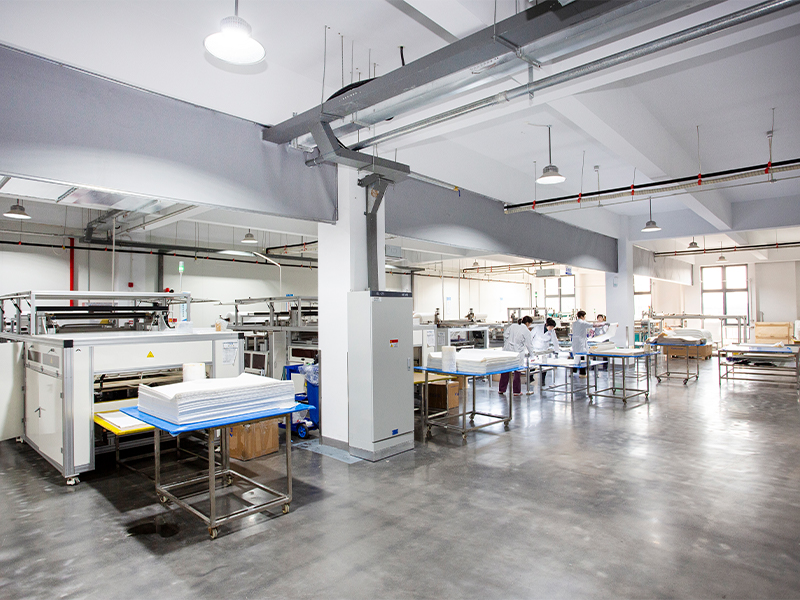
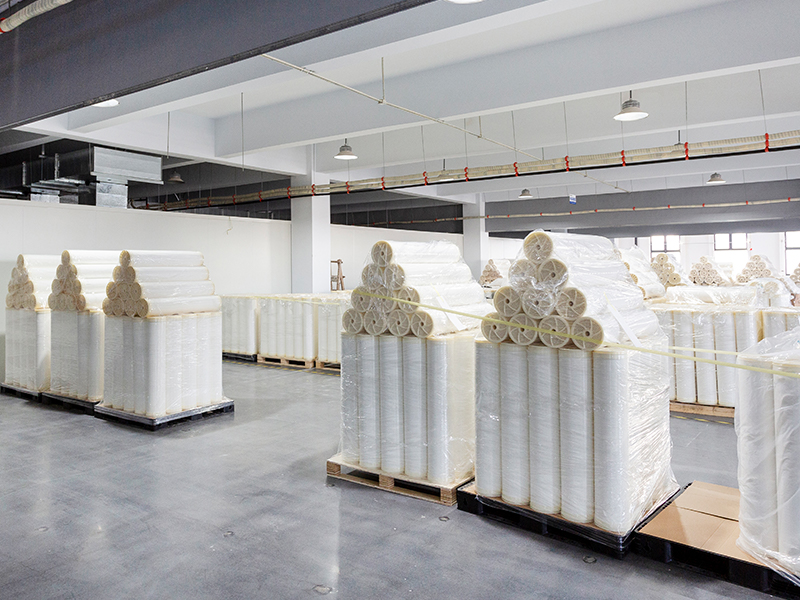
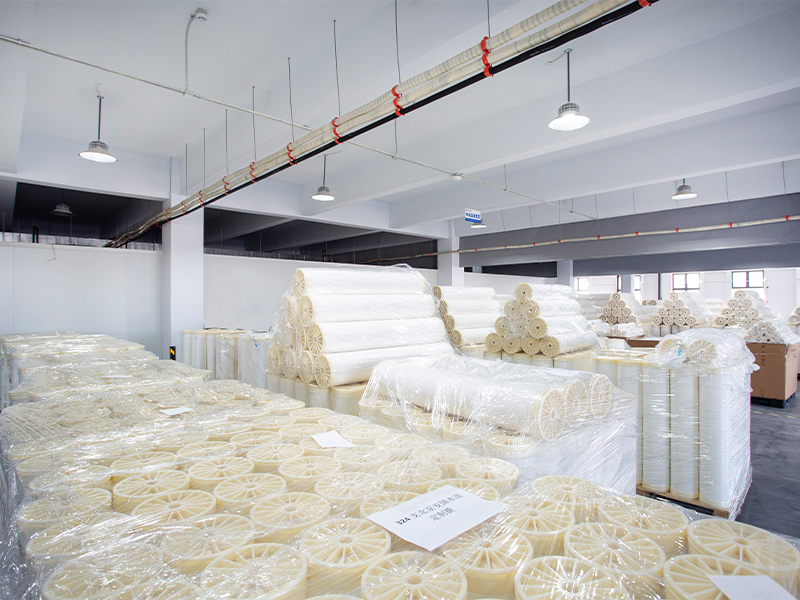
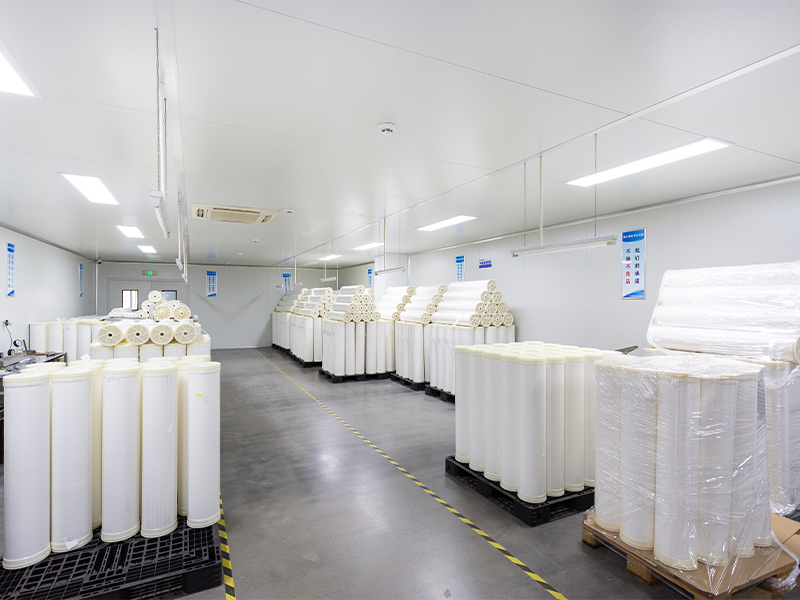
As SWRO Membrane Suppliers in China, We have advanced and efficient fully automated film rolling lines and dozens of automated film production lines, guaranteeing all the needs from small batch customisation to large-scale delivery. With an annual production capacity of up to 800,000 pieces of industrial film, Runmo strictly implements the whole process of quality inspection to ensure the stability and reliability of each product.
News
-
What Are PAN UF Membranes and Why They Stand Out PAN UF membranes are ultrafiltration membranes made from polyacrylonitrile, a polymer valued for its strength, chemical resistance,...
Read More -
What Is a Nano Filtration Membrane and How Does It Work A nano filtration membrane is a semi-permeable barrier engineered with pore sizes in the nanometer range, typically between ...
Read More -
What Seawater RO Membranes Do and Why They're Different From Brackish Water Membranes Seawater RO membranes are specialized filtration elements used in reverse osmosis systems to r...
Read More -
What Are UF Membranes and How They Filter Water UF Membranes, short for ultrafiltration membranes, are filtration barriers with extremely small pores, typically ranging from 0.01 t...
Read More -
What Is a Nano Filtration Membrane? A nano filtration membrane is a semi-permeable pressure-driven separation membrane that occupies the performance space between ultrafiltration (...
Read More
Industry knowledge
Can Suzhou Runmo Water Treatment Technology Co., Ltd.'s Sea Water Membranes be used in mobile or modular desalination plants?
In the realm of water scarcity mitigation, mobile and modular desalination plants have emerged as pivotal solutions, offering rapid deployment, scalability, and adaptability to remote or crisis-stricken regions. These compact systems demand components that balance high performance with spatial efficiency, operational flexibility, and durability—qualities that define the success of such infrastructure. Among the critical components, seawater reverse osmosis (SWRO) membranes serve as the technological linchpin, dictating the system’s water yield, energy consumption, and overall reliability. Suzhou Runmo Water Treatment Technology Co., Ltd., a preeminent player in membrane innovation, has positioned its Seawater Reverse Osmosis Membranes as a cornerstone of modern desalination. This analysis explores the compatibility of Runmo’s sea water membranes with mobile and modular plants, examining technical attributes, manufacturing prowess, and service capabilities that underscore their viability.
The Technical Imperatives of Mobile Desalination
Mobile and modular desalination systems operate under constraints distinct from large-scale fixed installations. Space limitations necessitate compact, lightweight components; variable operating conditions (from coastal storms to desert heat) demand resilience; and the need for rapid deployment requires simplified assembly and minimal auxiliary equipment. At the core of these systems, SWRO membrane must deliver three non-negotiable attributes: high flux density to maximize water production within a small footprint, low operating pressure to reduce energy demands (critical for off-grid setups reliant on generators or renewable sources), and robust desalination efficiency to ensure potable output without multi-stage processing.
Runmo’s SW Series directly addresses these imperatives through its engineered design. The membrane’s optimized structure—refined via proprietary polymer formulation and nanoscale pore architecture—boasts an exceptional water production rate per unit area. This high flux density allows modular plant designers to reduce the number of membrane elements required for a target output, shrinking the system’s physical footprint. In practical terms, a 500 m³/day mobile unit, which might traditionally require 40 standard membrane elements, could achieve the same yield with 30 SW Series elements, freeing up space for auxiliary systems like energy storage or pretreatment modules.
Equally critical is the membrane’s low operating pressure profile. Conventional Seawater RO Membranes often require 55–60 bar to overcome seawater osmotic pressure, but the SW Series operates efficiently at 45–50 bar. This reduction translates to a 15–20% lower energy draw, a game-changer for mobile plants powered by solar arrays or diesel generators. In remote coastal communities where fuel costs are exorbitant, this efficiency not only cuts operational expenses but also extends the runtime of battery-backed systems during periods of low sunlight.
The membrane’s desalination performance further solidifies its suitability. With a salt rejection rate exceeding 99.7%, the SW Series eliminates the need for secondary reverse osmosis stages, a feature that streamlines system design. For modular plants deployed in emergency scenarios—such as post-hurricane relief efforts—this single-pass capability accelerates setup, ensuring potable water is available within hours rather than days. Additionally, the membrane’s stability under fluctuating feedwater conditions (a common challenge in mobile operations, where seawater salinity can spike due to tides or runoff) prevents performance degradation, maintaining consistent water quality without frequent recalibration.
Manufacturing and Scalability: Meeting Modular Demand
Mobile and modular desalination projects often require rapid, large-volume membrane supply, especially when deploying fleets of units to address regional crises. Runmo’s manufacturing infrastructure positions it to meet such demands. As a national high-tech enterprise with automated production lines, the company achieves an annual output of over 800,000 membrane products—a scale that ensures timely delivery even for bulk orders. This production capacity is underpinned by precision engineering: robotic assembly minimizes human error, while in-line quality testing (including pressure cycling and salt rejection assays) guarantees uniformity across batches. For modular plant manufacturers, this consistency is critical; standardized membrane performance reduces the need for system reconfiguration when scaling from 100 m³/day units to 1,000 m³/day clusters.
Runmo’s intellectual property portfolio—comprising over 40 patents—further reinforces its technical edge. Innovations in membrane surface modification, for instance, enhance fouling resistance, a key advantage in mobile systems where maintenance access is limited. The membranes’ ability to resist biofouling and scaling extends cleaning intervals from 2–3 weeks (for conventional membranes) to 6–8 weeks, reducing downtime and the logistical burden of transporting cleaning chemicals to remote sites. This durability is validated through accelerated aging tests, which simulate 5 years of operation under extreme temperature and salinity conditions, confirming the SW Series’ longevity in harsh environments.
Customization capabilities add another layer of compatibility. Mobile plants often encounter unique feedwater profiles—from brackish estuaries to hypersaline coastal waters—and Runmo’s R&D team offers tailored membrane formulations to address specific challenges. For example, in regions with high silica content (common in desert coastal areas), the company can adjust the membrane’s pore size distribution to prevent silica scaling, ensuring uninterrupted operation. This level of customization, paired with rapid prototyping capabilities, allows modular system integrators to optimize performance without compromising on deployment speed.
End-to-End Support: From Design to Deployment
The success of mobile desalination systems hinges not just on component quality but also on seamless integration and ongoing support. Runmo’s full-spectrum service model—encompassing water quality analysis, system design consultation, and after-sales maintenance—aligns with the needs of modular plant operators. Prior to deployment, the company’s engineers conduct on-site feedwater testing, analyzing parameters like turbidity, total dissolved solids (TDS), and organic content to recommend membrane configurations and pretreatment protocols. This proactive approach prevents costly retrofits, ensuring the membrane system is optimized for local conditions from day one.
During project execution, Runmo’s technical team collaborates with modular plant designers to refine system layouts, advising on element arrangement to maximize flow dynamics and minimize pressure drop. This collaboration is particularly valuable for compact mobile units, where inefficient element spacing can lead to uneven performance or premature fouling. Post-deployment, the company offers remote monitoring services, leveraging IoT-enabled sensors to track membrane performance in real time. This allows for predictive maintenance—alerting operators to potential issues before they escalate—critical for mobile plants operating in areas with limited technical personnel.
Runmo’s global reach further enhances its suitability for international mobile desalination projects. With a presence in over 60 countries, the company can provide localized technical support, ensuring rapid response times for maintenance or troubleshooting. This global footprint is complemented by a robust supply chain, capable of delivering replacement membranes or components to even remote locations, minimizing downtime for critical mobile systems.
Conclusion: A Synergy of Innovation and Practicality
Mobile and modular desalination plants demand membranes that are not merely high-performing but also adaptable, efficient, and supported by a scalable infrastructure. Suzhou Runmo’s Seawater RO Membranes, with their high flux density, low operating pressure, and robust desalination efficiency, meet these demands head-on. The company’s manufacturing scale, technical customization, and end-to-end service model further solidify their compatibility, ensuring seamless integration into even the most challenging mobile environments.
As water scarcity continues to drive the need for flexible desalination solutions, Runmo’s sea water membranes emerge not just as a component, but as a strategic enabler—empowering the next generation of mobile and modular systems to deliver clean water where it is needed most. In this synergy of innovation and practicality, Runmo positions itself as a critical partner in the global effort to make desalination more accessible, efficient, and responsive to emerging challenges.

Product
Solutions & Cases
Service
Contact
