

 English
 عربى
عربى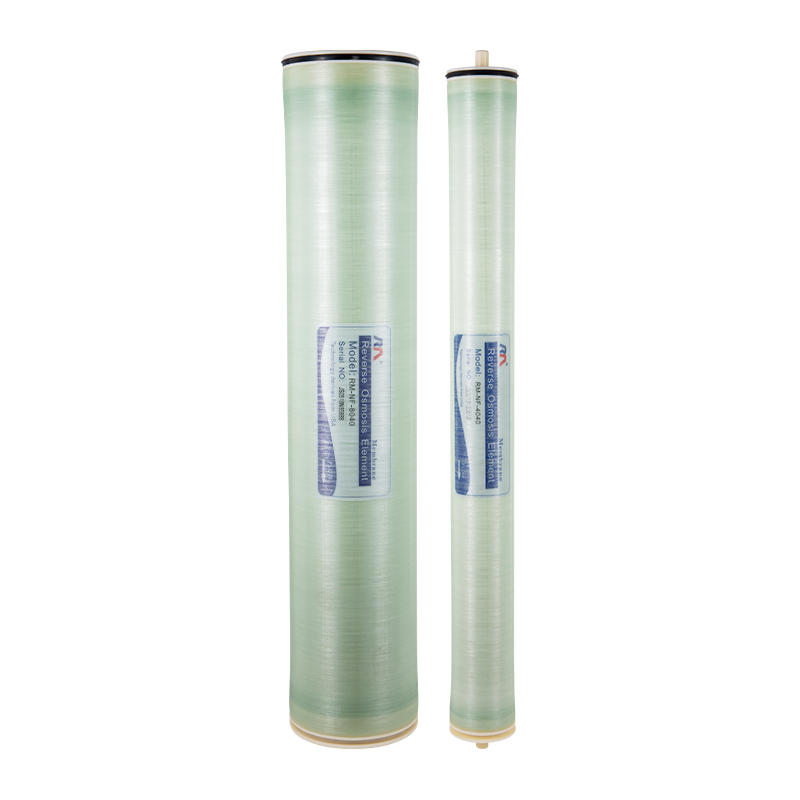
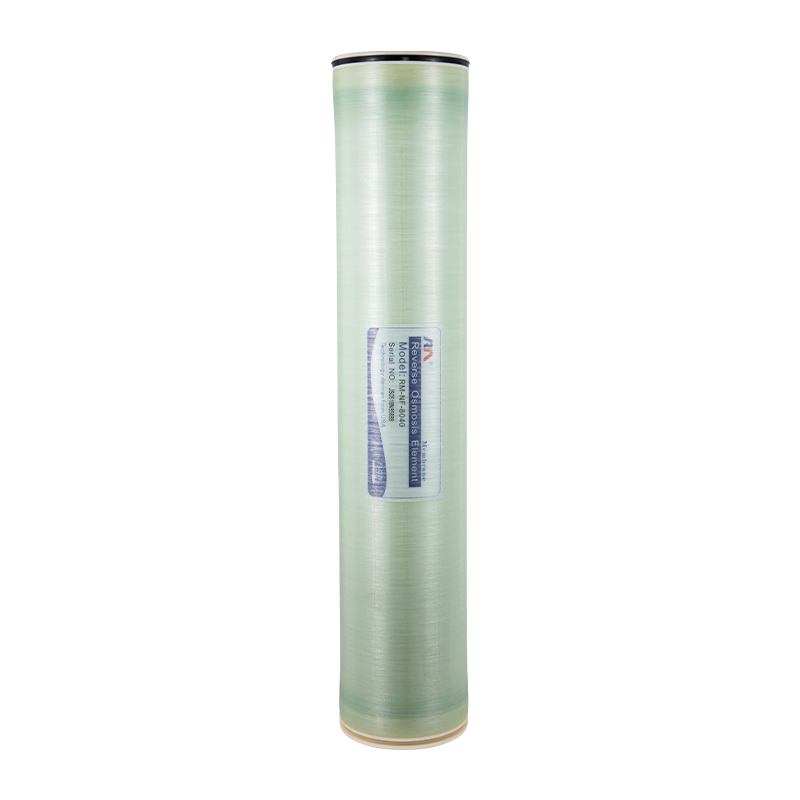
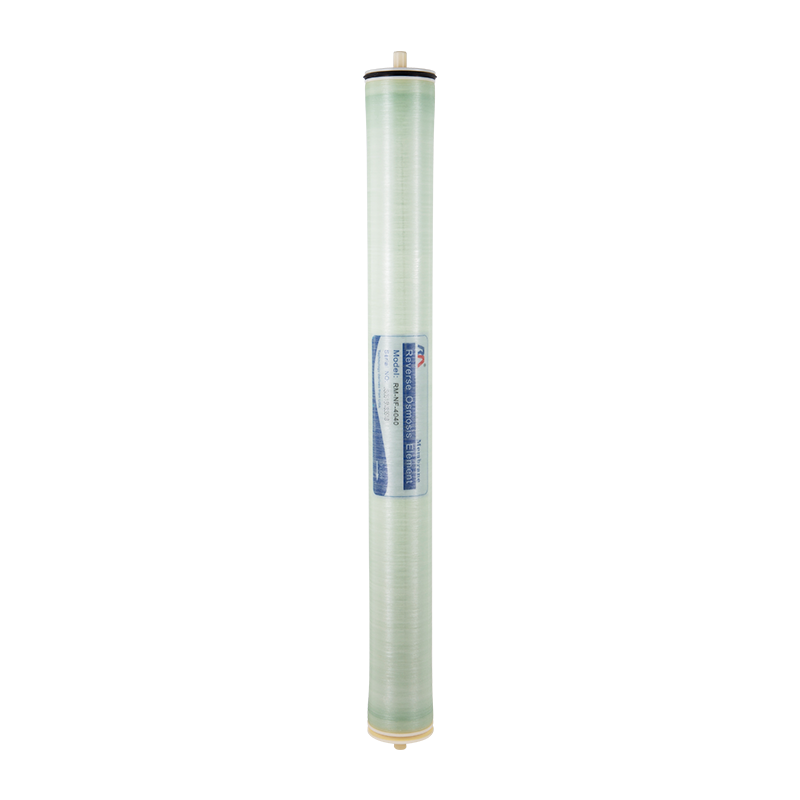
NF(Nano-filtration) Membranes
DownloadBrief Introduction
The NF Series of nanofiltration membrane elements can achieve high permeate water and excellent desalination performance. Therefore, it is suitable for large-scale industrial and municipal water treatment systems. In use, it shows excellent ability to remove pesticides, viruses, and bacteria. It has a high ability to remove natural organic substances and a medium ability to remove total hardness. Through innovative technology, the product has a stronger film surface, strong anti-oxidation performance, and the use of ultra-low pressure mode of operation can significantly improve the system and operational economy.
Scope of Application
It is mainly used in various fields of industry, such as pure water, boiler recharge water, food processing and pharmaceutical manufacturing.
- NF series of membrane elements performance
|
Model |
Membrane ft2 (m2) |
Average Permeate GPD(m3/d) |
Stable Rejection % |
Min. Rejection % |
|
RM-NF-4040 |
85 (7.9) |
2200 (7.9) |
55~75 |
- |
|
RM-NF-8040 |
400 (37) |
9000 (33.9) |
55~75 |
- |
- NF series of membrane elements Testing Conditions
|
Testing Pressure |
70 psi (0.48MPa) |
|
Temperature of Testing Solution |
25 ℃ |
|
Concentration of Testing Solution (NaCl) |
2000ppm NaCl;2000ppm MgSO4 |
|
pH Value of Testing Solution |
8 |
|
Recovery Rate of Single Element |
15% |
- NF series of membrane elements Operation Limits & Conditions
|
Max. Working Pressure |
600psi (4.14MPa) |
Max. Feed Water COD |
10ppm |
|
Max. Feed Water Flow |
75 gpm (17m3/h) for 8040 |
Max. Feed Water BOD |
5ppm |
|
Max. Feed Water TOC |
10ppm |
||
|
Max. Feed Water Temperature |
45°C |
Residual Chlorine Concentration of Feed Water |
<0.1 ppm |
|
Max. Feed Water TDS |
2000ppm |
pH Range of Feed Water During Continuous Operation |
3~10 |
|
ax. Feed Water Hardness |
60ppm |
Max. Pressure Drop of Single Element |
15psi (0.1MPa) 8040、4040 |
|
Max. Feed Water SD 115 |
5 |
||
|
Max.Turbidity NTU |
1.0 |
Note:
1. For the recommended design scope, please refer to the latest version of the technical manual, design guide, or consult with membrane technology experts. If the user does not strictly follow the operating conditions provided by the sample, Suzhou Runmo Water Treatment Technology Co., Ltd. will not bear all the consequences arising therefrom.
2. The average water yield listed in the table shows that the error of water yield of a single membrane element in series is within (+10%).
The difference between the minimum water yield and the nominal value of other series of single membrane elements is not more than 20% of the nominal value.
3. Wet membrane components are strictly tested before they leave the factory. They are stored in 1.0% sodium bisulfite solution. Then they are packed in vacuum and packed in cardboard boxes. The safe storage temperature of wet membrane components is 4-45 °C.
4. RO production water to be discharged in the first hour of operation.
5. During storage and operation, it is prohibited to add any chemicals that affect membrane components. In case of violating the use of such chemicals, Suzhou Runmo Water Treatment Technology Co., Ltd. will not bear all the consequences arising therefrom.
CONTACT FORM
Related Products

Company
Suzhou Runmo Water Treatment Technology Co., Ltd.
Run membrane water treatment technology co., ltd. is a national technology enterprise integrating r&d, manufacturing and sales of reverse osmosis membrane, ultrafiltration membrane and polymer membrane technology, with independent intellectual property rights and world leading membrane material manufacturing process, providing efficient and reliable membrane products and solutions for global water treatment industry.
As Nanofiltration Membranes Manufactuers in China, NF Membrane Suppliers, We focus on membrane technology innovation, with a perfect independent R & D system, automated production lines, annual production capacity of more than 800,000 membrane products, a total of more than 40 patents. As Nano Filtration Membrane Factory, From water quality testing, membrane product customisation, to system design, project delivery, to after-sales operation and maintenance, Runmo provides you with the whole process, a full range of professional services to ensure the efficient and stable operation of the water treatment system, to help you easily cope with a variety of complex water quality challenges. We supply Wholesale NF Membrane, for the world's 60 + countries continue to provide quality products and technical support.
As Nanofiltration Membranes Manufactuers in China, NF Membrane Suppliers, We focus on membrane technology innovation, with a perfect independent R & D system, automated production lines, annual production capacity of more than 800,000 membrane products, a total of more than 40 patents. As Nano Filtration Membrane Factory, From water quality testing, membrane product customisation, to system design, project delivery, to after-sales operation and maintenance, Runmo provides you with the whole process, a full range of professional services to ensure the efficient and stable operation of the water treatment system, to help you easily cope with a variety of complex water quality challenges. We supply Wholesale NF Membrane, for the world's 60 + countries continue to provide quality products and technical support.
Manufacturing Strength
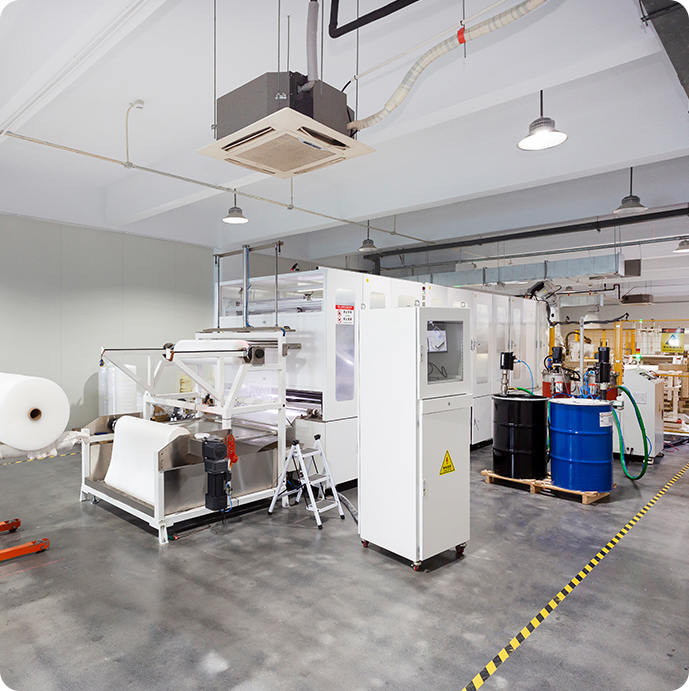
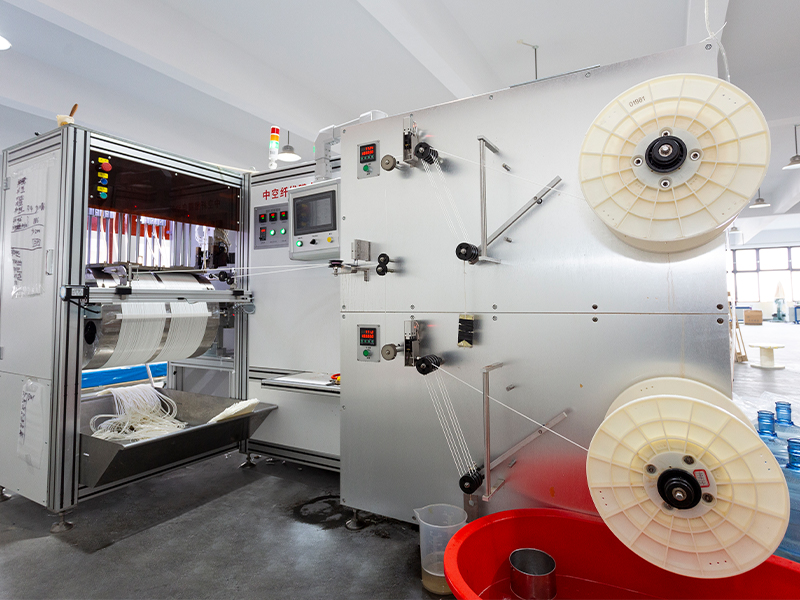
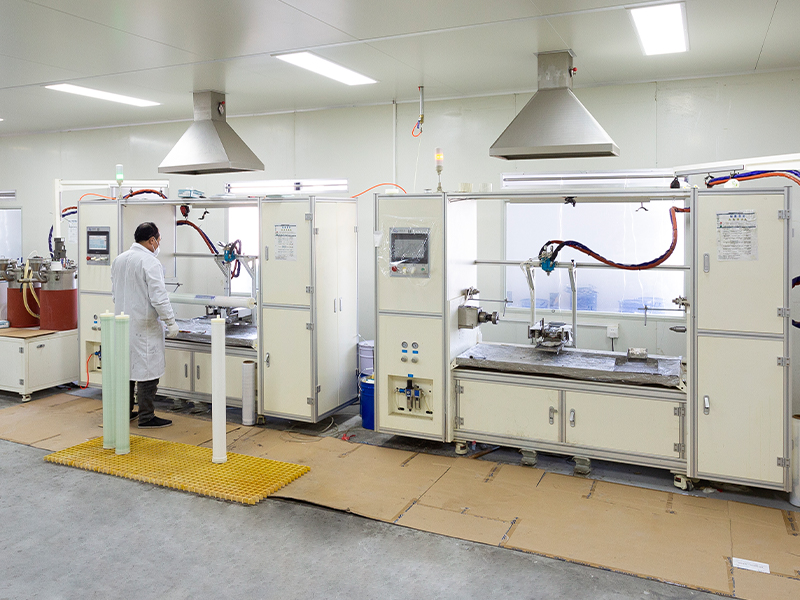
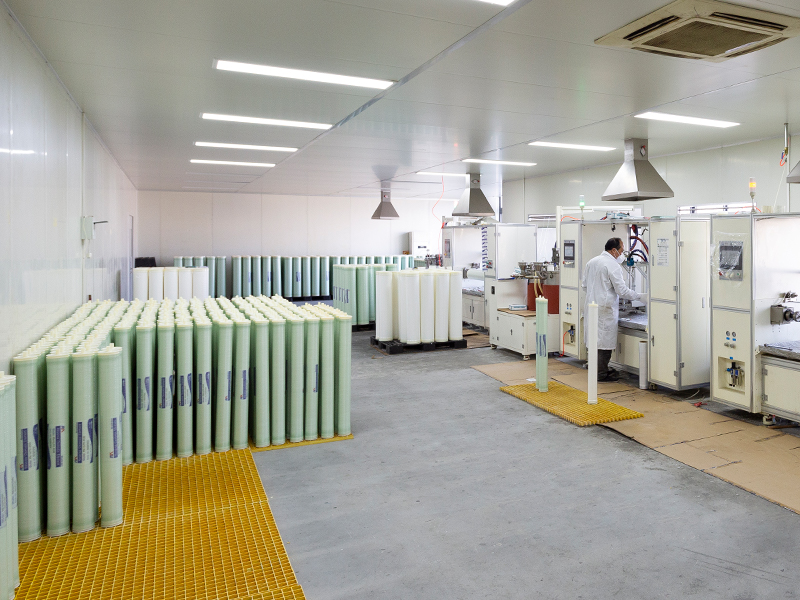
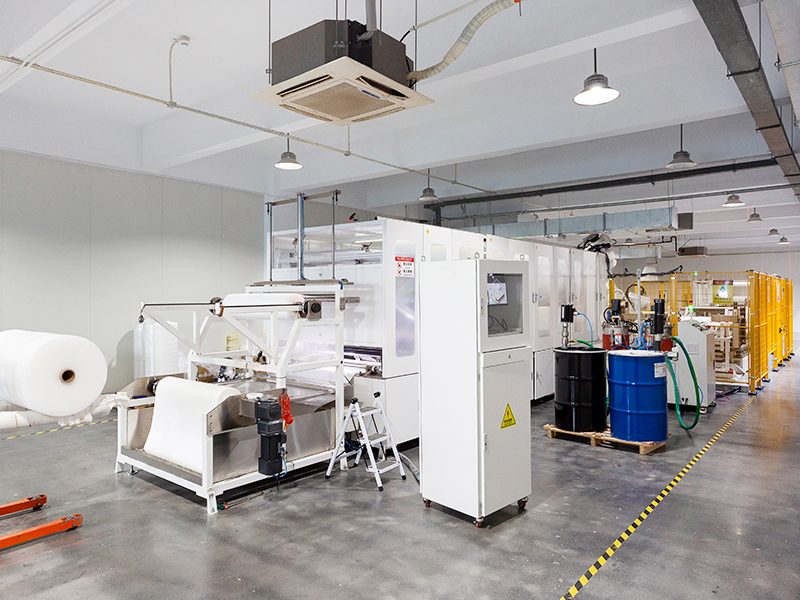
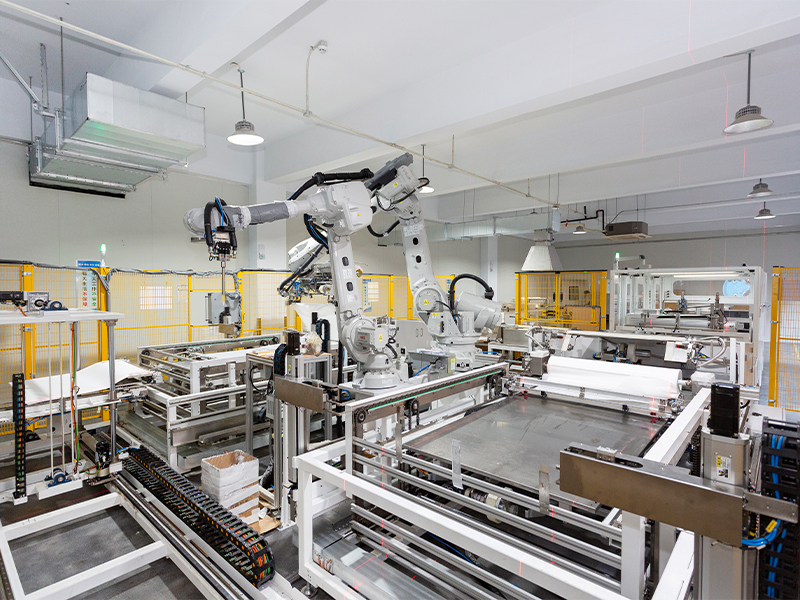
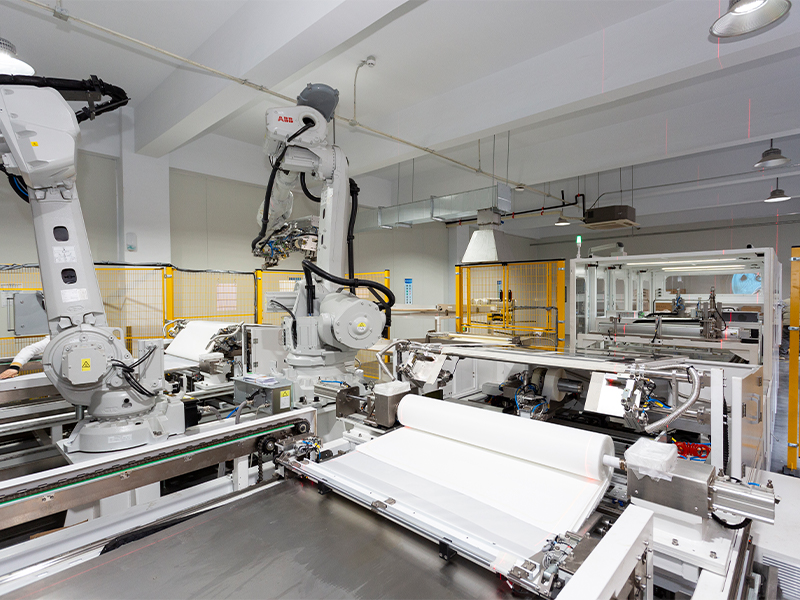
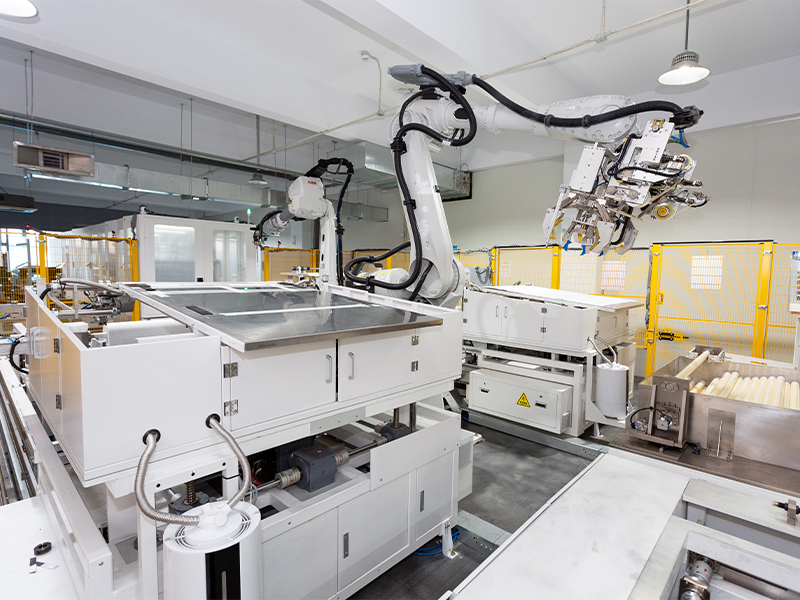
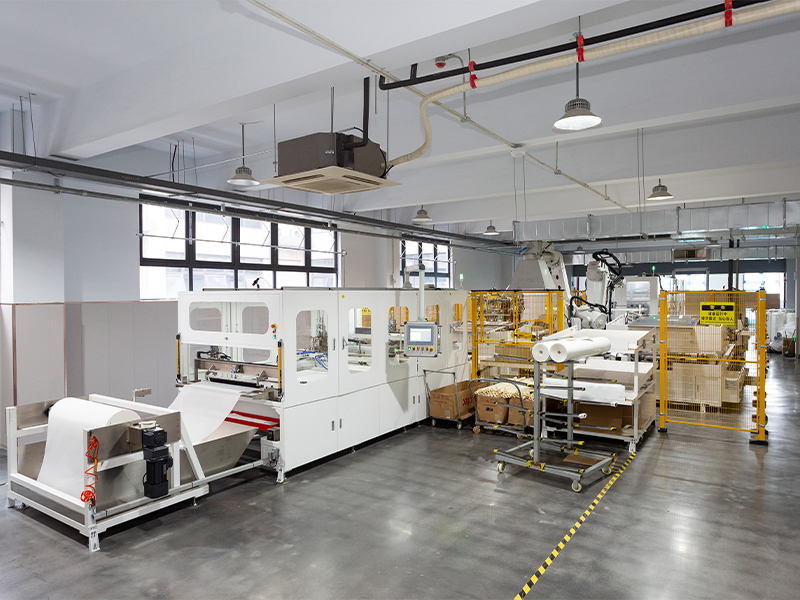
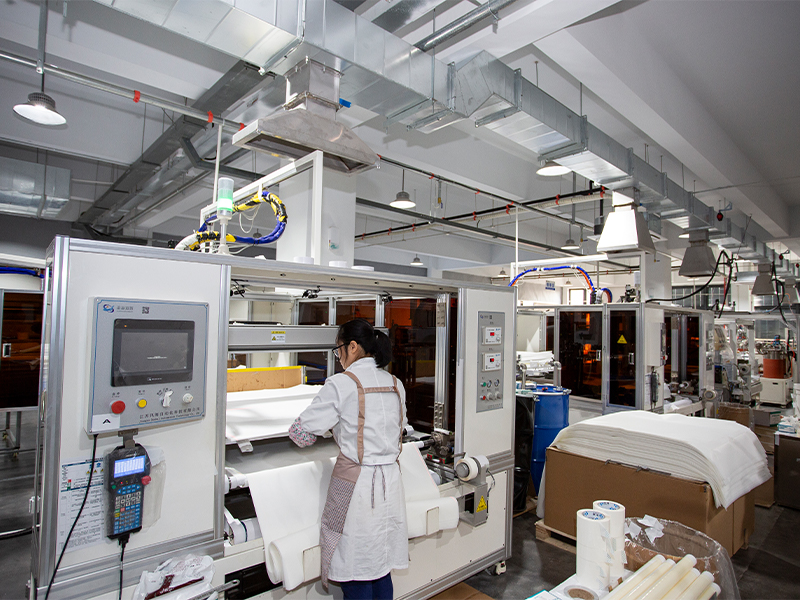
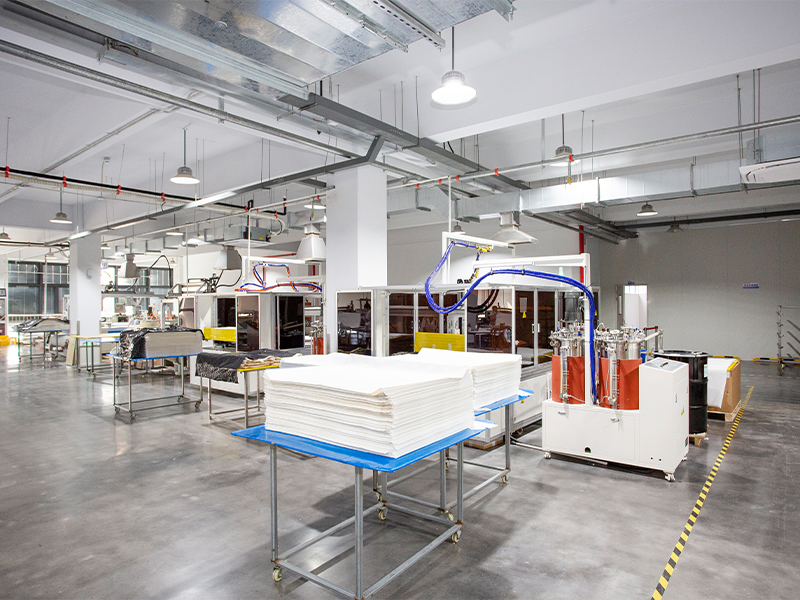
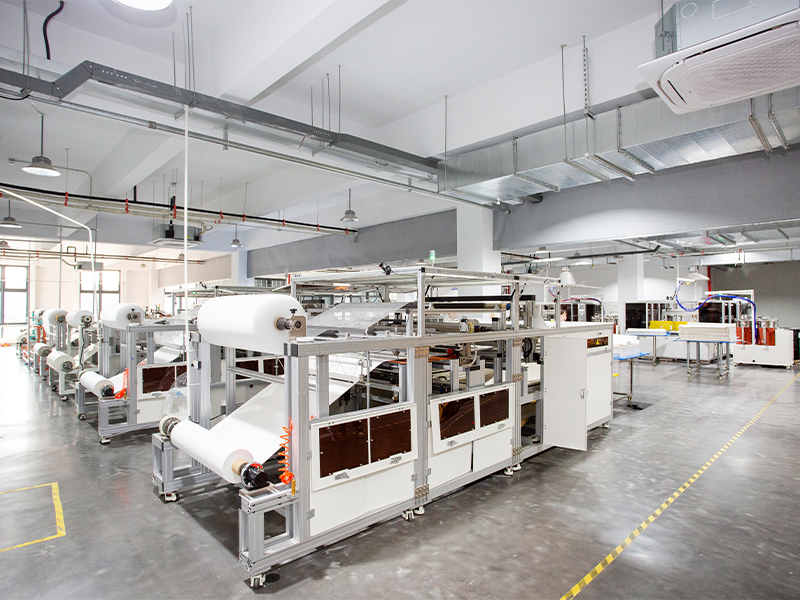
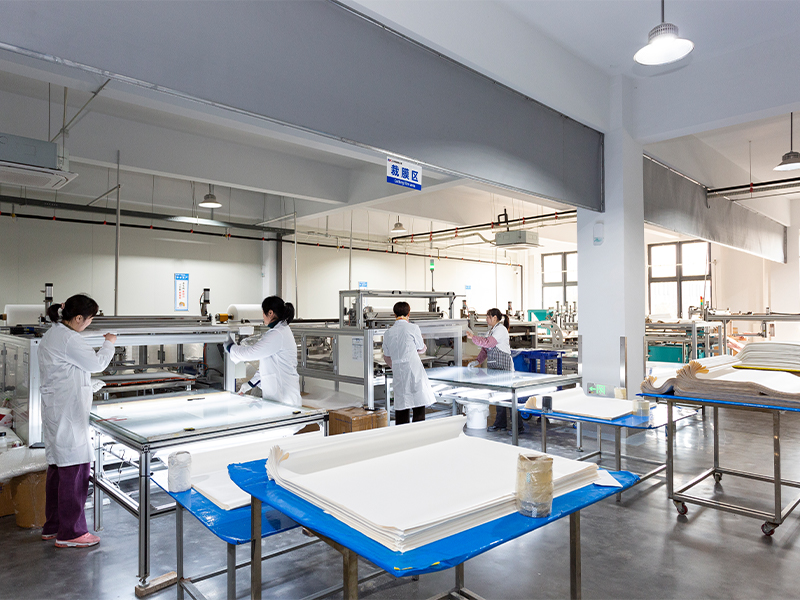
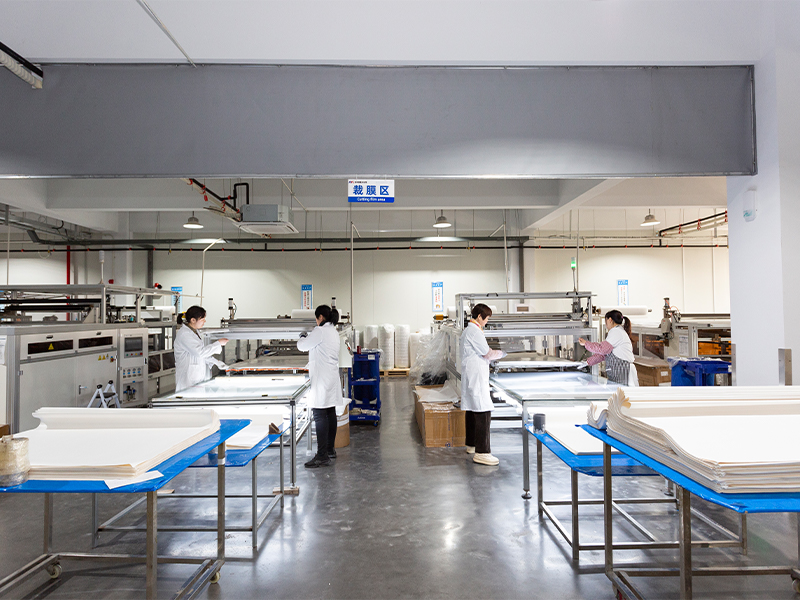
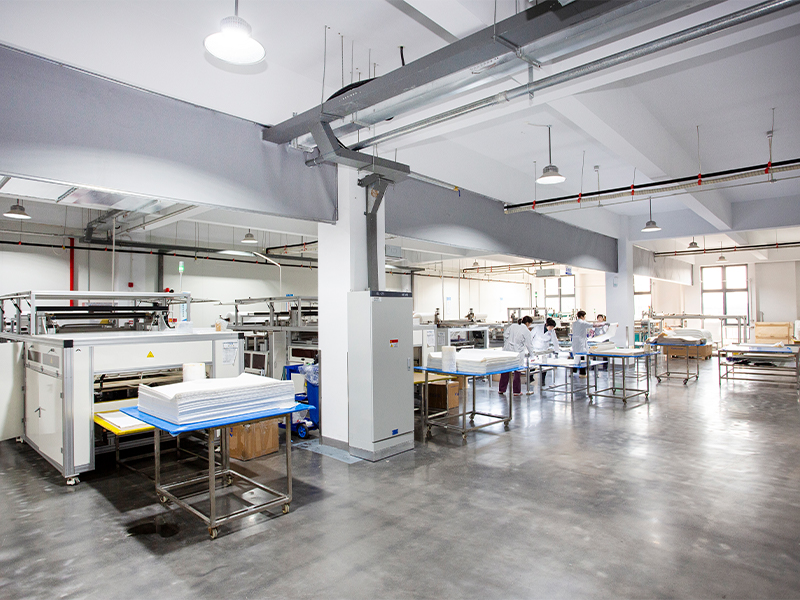
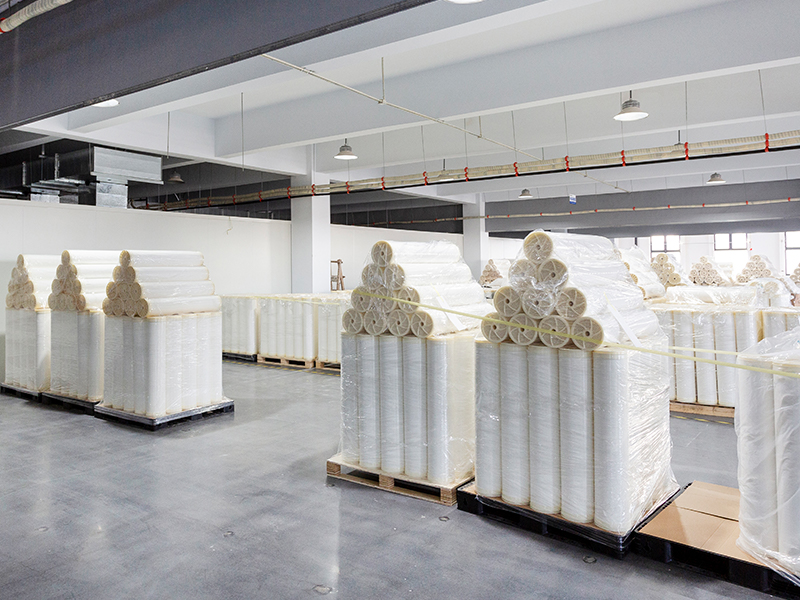
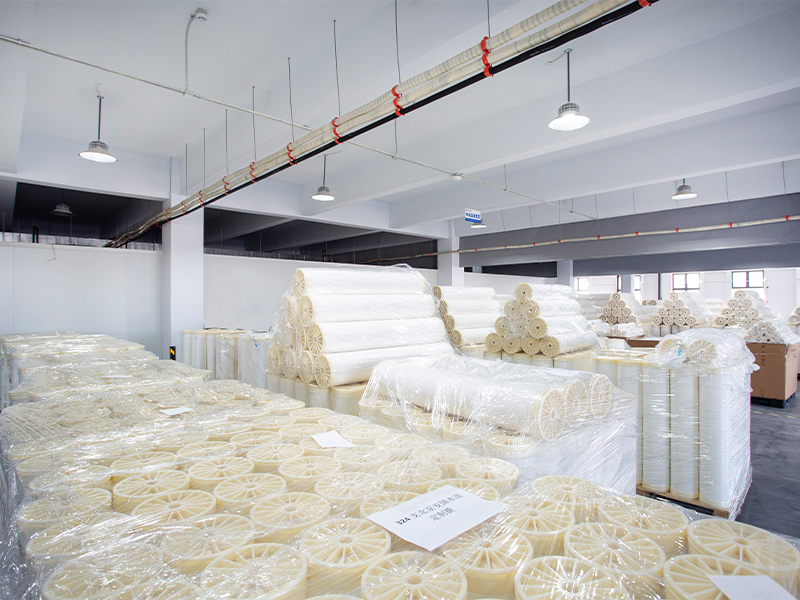
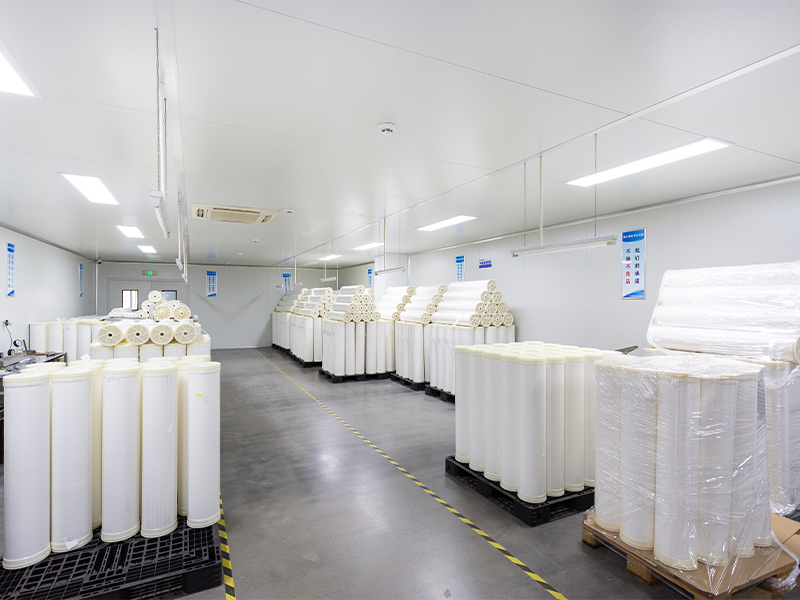
As NF Membrane Suppliers in China, We have advanced and efficient fully automated film rolling lines and dozens of automated film production lines, guaranteeing all the needs from small batch customisation to large-scale delivery. With an annual production capacity of up to 800,000 pieces of industrial film, Runmo strictly implements the whole process of quality inspection to ensure the stability and reliability of each product.
News
-
What Are PAN UF Membranes and Why They Stand Out PAN UF membranes are ultrafiltration membranes made from polyacrylonitrile, a polymer valued for its strength, chemical resistance,...
Read More -
What Is a Nano Filtration Membrane and How Does It Work A nano filtration membrane is a semi-permeable barrier engineered with pore sizes in the nanometer range, typically between ...
Read More -
What Seawater RO Membranes Do and Why They're Different From Brackish Water Membranes Seawater RO membranes are specialized filtration elements used in reverse osmosis systems to r...
Read More -
What Are UF Membranes and How They Filter Water UF Membranes, short for ultrafiltration membranes, are filtration barriers with extremely small pores, typically ranging from 0.01 t...
Read More -
What Is a Nano Filtration Membrane? A nano filtration membrane is a semi-permeable pressure-driven separation membrane that occupies the performance space between ultrafiltration (...
Read More
Industry knowledge
How effective is Suzhou Runmo Water Treatment Technology Co., Ltd.'s NF Membrane in treating organic matter?
In the realm of water treatment, the removal of organic matter stands as a pivotal challenge—one that dictates the safety, usability, and environmental impact of treated water. From humic substances in surface water to recalcitrant pesticides in industrial effluents, organic contaminants demand precision, efficiency, and reliability. Enter nanofiltration (NF) membranes: a technology that balances permeate flux with selective rejection, emerging as a cornerstone of modern water purification. Among the frontrunners in this field is Suzhou Runmo Water Treatment Technology Co., Ltd., a national high-tech enterprise whose Nanofiltration membranes series has redefined standards for organic matter removal. This article examines the efficacy of Runmo’s Nano Filtration Membrane in tackling organic contaminants, unpacking their technological edge, real-world performance, and the institutional strengths that underpin their reliability.
The Science of Organic Matter Removal: Why NF Membranes Matter
Organic matter in water systems is a diverse cohort, ranging from low-molecular-weight compounds like pesticides to high-molecular-weight substances such as fulvic and humic acids. These contaminants pose multifaceted risks: they react with disinfectants to form carcinogenic byproducts, foul downstream equipment, and threaten aquatic ecosystems when discharged untreated. Traditional methods—such as coagulation or activated carbon adsorption—often fall short, either failing to capture recalcitrant organics or introducing secondary pollutants.
Nanofiltration membranes address this gap through a unique combination of size exclusion and charge-based rejection. With pore sizes typically between 0.5 and 2 nanometers, Nano Filtration Membrane block larger organic molecules while allowing smaller water molecules to pass. Additionally, many organic contaminants (e.g., humic acids, pesticides) carry negative charges, which interact with the charged surface of NF membranes to enhance rejection—a phenomenon known as the Donnan effect. This dual mechanism makes Nanofiltration membranes particularly adept at targeting organic matter, outperforming reverse osmosis (RO) in energy efficiency and ultrafiltration (UF) in selectivity.
Runmo’s NF Series: Engineering Excellence for Organic Matter Removal
Suzhou Runmo Water Treatment Technology Co., Ltd. has honed its NF membrane technology through years of R&D, leveraging its status as a national high-tech enterprise with independent intellectual property rights and world-leading membrane manufacturing processes. The company’s NF series is not merely a product but a result of synergistic innovations in membrane material science, production precision, and application engineering.
Material Innovation: A Foundation for Superior Rejection
At the core of Runmo’s NF membranes lies a proprietary polymeric matrix engineered to optimize both porosity and surface charge. Unlike conventional membranes, which often sacrifice flux for rejection (or vice versa), Runmo’s formulation achieves a balance by:
Tuning Pore Geometry: The membrane’s pores are uniformly sized to target organic molecules with molecular weights between 200 and 1,000 Da—a range that includes most natural organic matter (NOM), pesticides, and pharmaceutical residues. This precision minimizes the “leakage” of small organics while maximizing water throughput.
Modulating Surface Charge: The membrane surface is functionalized to carry a controlled negative charge, amplifying the Donnan effect against anionic organic contaminants. This is particularly critical for removing humic acids, which are negatively charged and notoriously difficult to eliminate with neutral or positively charged membranes.
Independent testing confirms that Runmo’s Nanofiltration membranes achieve >95% rejection of humic acids and >90% rejection of common pesticides (e.g., atrazine, glyphosate) under standard operating conditions—performance metrics that place them among the top-tier NF products globally.
Durability and Longevity: Sustained Performance in Complex Waters
Organic matter is not only a target for removal but also a potential threat to membrane integrity. High concentrations of NOM, for example, can cause biofouling (when microorganisms feed on organic residues) or organic fouling (when molecules adsorb to the membrane surface), degrading flux and increasing energy costs over time. Runmo’s Nano Filtration Membrane counter this through:
Enhanced Surface Hydrophilicity: The membrane’s surface is modified to repel organic adsorption, reducing the adhesion of humic substances and other hydrophobic organics. This hydrophilicity is achieved via grafting hydrophilic monomers onto the polymer backbone—a technique protected by one of Runmo’s 40+ patents.
Anti-Oxidant Resilience: Many water sources require pre-treatment with oxidants (e.g., chlorine) to control bacteria, which can degrade conventional membranes. Runmo’s Nanofiltration membranes incorporate anti-oxidant additives, enabling them to withstand residual chlorine levels up to 1 ppm without compromising structure—a feature validated through accelerated aging tests.
Robust Mechanical Strength: Manufactured using automated production lines (part of Runmo’s 800,000+ annual unit capacity), the membranes exhibit uniform thickness and tensile strength, resisting physical damage during installation and operation. This consistency ensures that rejection efficiency remains stable over extended periods, even in high-turbidity waters rich in organic particulates.
Energy Efficiency: Reducing Costs Without Sacrificing Efficacy
A common critique of membrane technologies is their energy consumption, but Runmo’s NF series challenges this narrative through its ultra-low pressure (ULP) design. By optimizing membrane permeability and reducing hydraulic resistance, the membranes operate at pressures 30–40% lower than conventional NF products while maintaining equivalent rejection rates. For large-scale systems treating organic-rich water (e.g., municipal wastewater reclamation, industrial process water), this translates to significant energy savings—often recouping the initial investment within 18–24 months.
This efficiency is not accidental. Runmo’s R&D team used computational fluid dynamics (CFD) to model flow patterns within the membrane module, redesigning feed channels to minimize turbulence and pressure drop. The result is a system that delivers high flux (up to 30 L/m²·h at 10 bar) even when processing water with high organic loads, ensuring that treatment plants can meet throughput demands without overtaxing energy resources.
Real-World Applications: Proof in Practice
Runmo’s NF membranes have been deployed across 60+ countries, tackling diverse organic contamination scenarios. In a municipal water treatment plant in Southeast Asia, for example, raw water from a river contained high levels of humic acids (15–20 mg/L), leading to excessive trihalomethane formation during chlorination. After retrofitting with Runmo’s Nanofiltration membranes, humic acid levels dropped to <0.5 mg/L, and trihalomethane concentrations fell below WHO guidelines—all while maintaining a permeate flux of 28 L/m²·h at 8 bar, reducing energy costs by 25% compared to the plant’s previous RO system.
In another application, a pharmaceutical facility in Europe required removal of residual active pharmaceutical ingredients (APIs) from wastewater. Runmo’s Nano Filtration Membrane, customized to target the specific molecular weights of the APIs (300–500 Da), achieved >99% rejection, enabling the facility to meet strict discharge limits and reduce its environmental footprint.
Beyond the Membrane: Runmo’s End-to-End Support
What distinguishes Runmo is not just its membrane technology but its holistic approach to water treatment. As a full-service provider, the company offers end-to-end solutions that begin with water quality analysis—using advanced techniques like liquid chromatography-mass spectrometry (LC-MS) to profile organic contaminants—and extend to custom membrane design, system integration, and ongoing maintenance.
This comprehensive support is critical for optimizing organic matter removal. For instance, in a food processing plant with variable organic loads (due to seasonal production), Runmo’s engineers adjusted the membrane’s operating parameters (pH, pressure) and designed a pre-treatment step (coagulation with polyaluminum chloride) to prevent fouling. The result was a system that maintained >92% organic rejection year-round, with membrane lifespan extended by 50% compared to a standard setup.
Conclusion: A Benchmark for Organic Matter Treatment
In evaluating the effectiveness of Runmo’s NF membranes in treating organic matter, the evidence is clear: their combination of high rejection efficiency, durability, and energy efficiency sets a new standard for the industry. Backed by a company with a robust R&D infrastructure, scalable production, and a commitment to customer success, these membranes are not just tools for water treatment—they are enablers of sustainable, safe water access.
For industries, municipalities, and communities grappling with organic contamination, Runmo’s NF series offers more than a solution; it offers confidence—confidence that even the most stubborn organic pollutants can be removed efficiently, reliably, and responsibly. In the evolving landscape of water treatment, this is not just effectiveness—it is leadership.

Product
Solutions & Cases
Service
Contact
