In the ever-evolving field of water treatment, membrane filtration has emerged as a cornerstone technology for producing clean, safe water. While there are many types of membranes, two of the most commonly discussed are ultrafiltration (UF) and nanofiltration (NF). Although both are pressure-driven processes that use a semi-permeable barrier to separate contaminants from a fluid, they are designed for vastly different purposes. The fundamental distinction between them lies in one critical factor: pore size.
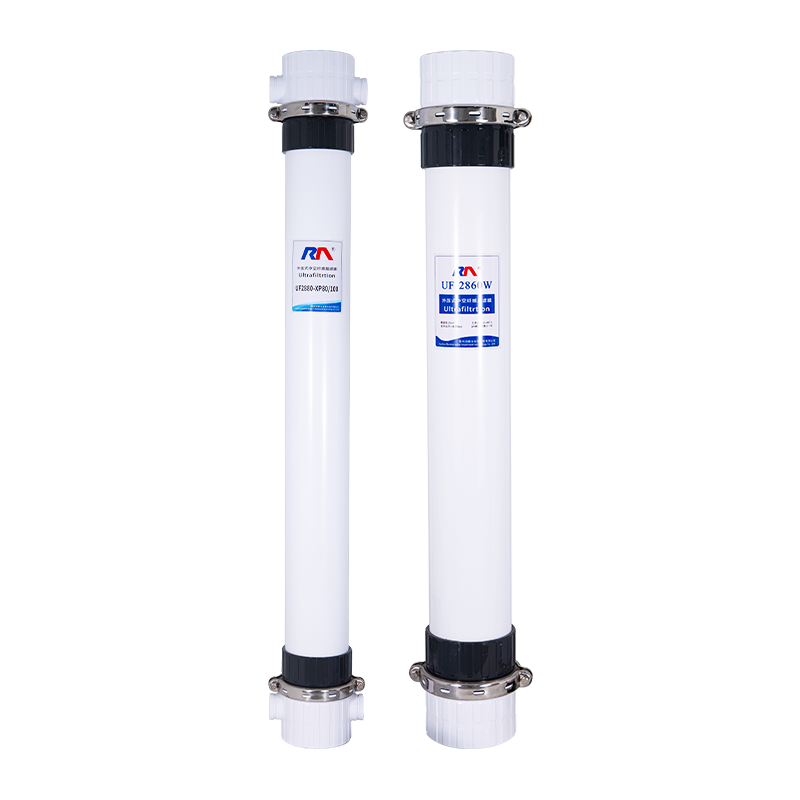
Ultrafiltration is a membrane process that operates primarily on the principle of size exclusion, acting like a very fine sieve. UF membranes have a typical pore size ranging from 0.01 to 0.1 microns, or 10 to 100 nanometers. This pore structure is highly effective at physically blocking a wide range of larger particles and microorganisms.
The primary contaminants that UF membranes are designed to remove include:
-
Suspended solids and colloids that cause turbidity.
-
Bacteria and protozoa, such asGiardiaandCryptosporidium.
-
Viruses (most types, although some smaller viruses may pass through).
-
High molecular weight organic compounds and macromolecules.
Because UF membranes have relatively large pores compared to other membrane technologies like NF or reverse osmosis (RO), they require lower operating pressures, typically in the range of 15 to 100 psi (1 to 7 bar). This makes UF systems more energy-efficient and cost-effective for applications where the primary goal is the removal of particulate matter and microorganisms. Common applications include drinking water purification, wastewater recycling, and as a crucial pre-treatment step for more advanced membrane systems like RO, which protects the downstream membranes from fouling.
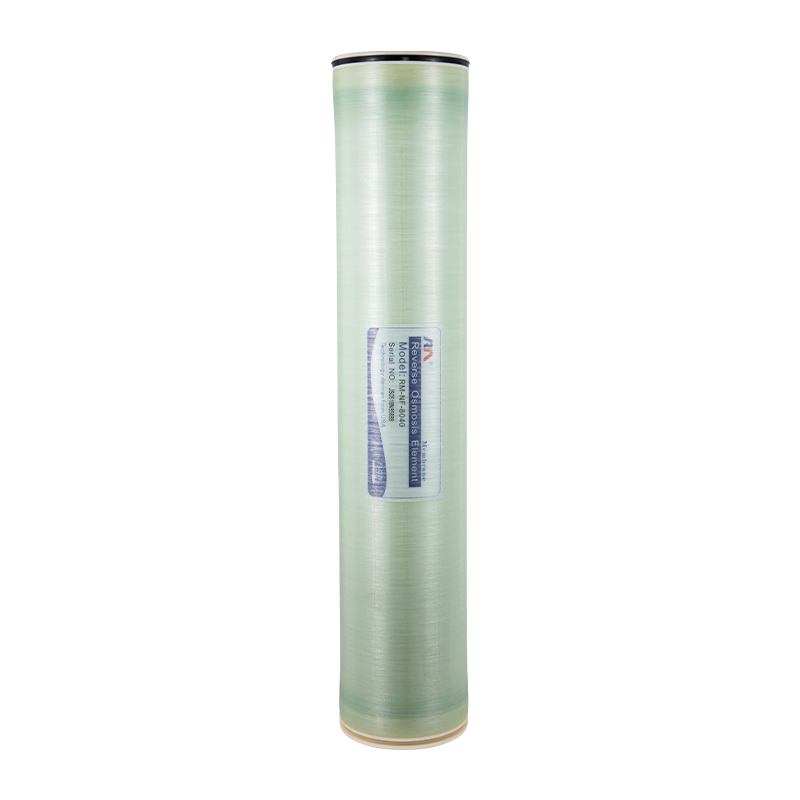
Nanofiltration membranes are often referred to as "loose" RO membranes because their pore size falls between that of UF and RO. NF membranes have a much finer pore size, typically in the range of 0.001 to 0.01 microns, or 1 to 10 nanometers. This significantly smaller pore size allows NF to separate much smaller contaminants that would easily pass through a UF membrane.
Beyond simple size exclusion, NF membranes also rely on charge repulsion, or the Donnan effect. Most NF membranes have a slight negative charge on their surface, which helps repel negatively charged ions. This dual mechanism allows NF to remove not only the contaminants listed for UF, but also:
-
Divalent ions like calcium (Ca2+) and magnesium (Mg2+), which are the primary cause of water hardness.
-
Certain monovalent ions (e.g., sodium, chloride), although with a lower rejection rate than RO.
-
Smaller organic molecules such as pesticides and herbicides.
Due to their smaller pores and the need to overcome osmotic pressure, NF systems require higher operating pressures than UF, generally ranging from 50 to 200 psi (3.5 to 14 bar). This higher pressure translates to higher energy consumption and operational costs. However, NF's unique capabilities make it the ideal choice for specific applications, most notably water softening, color removal, and partial desalination for brackish water sources.
A Comparative Look: UF vs. NF



 English
 عربى
عربى