English
 عربى
عربى
News
Home / News / Industry News / SW Membranes: Revolutionizing Water Treatment and Filtration Technology
Content
SW Membranes, commonly known as seawater reverse osmosis (SWRO) membranes, are critical components in modern water treatment systems. Designed to remove salts, minerals, and other impurities from seawater, these membranes allow access to clean, potable water even in areas with scarce freshwater resources. Their efficiency, durability, and adaptability make them the backbone of large-scale desalination plants.
SW Membranes are categorized based on material, configuration, and performance characteristics. Choosing the correct type is essential for optimizing filtration efficiency and operational longevity.
TFC membranes are widely used in seawater desalination due to their high salt rejection rates and excellent chemical resistance. They are designed to handle high pressures and operate effectively under varying temperature and pH levels.
Although less common today, CA membranes offer moderate salt rejection and are known for their biological resistance. They are primarily used in small-scale desalination systems or regions with lower fouling risks.
Monitoring the performance of SW Membranes ensures optimal water quality and operational efficiency. The main parameters to evaluate include:
The versatility of SW Membranes makes them suitable for a variety of applications, including:
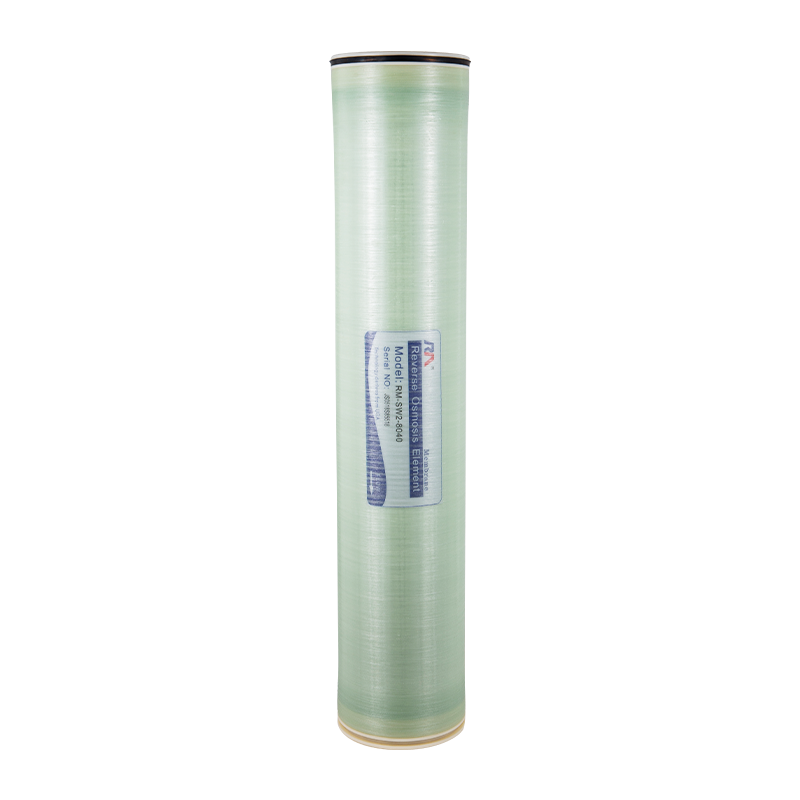
Proper maintenance is crucial to maximize the lifespan of SW Membranes, which typically ranges from 5 to 7 years depending on usage and water quality. Key practices include:
| Membrane Type | Salt Rejection | Maximum Pressure | Typical Lifespan |
| Polyamide TFC | ≥99% | 800 psi | 5–7 years |
| Cellulose Acetate | 95–98% | 400 psi | 3–5 years |
| High-Flux TFC | 98–99% | 750 psi | 5–6 years |
Innovation in SW Membranes continues to accelerate, focusing on improving efficiency, reducing energy consumption, and enhancing fouling resistance. Some notable trends include:
SW Membranes are indispensable in meeting the world’s growing demand for clean water. From large-scale desalination plants to industrial applications, their efficiency, durability, and adaptability make them a key solution in modern water treatment. With ongoing innovations and smarter designs, the future of SW Membranes promises even higher performance, sustainability, and accessibility for communities worldwide.